
How to Excel in Customer Experience Design: Strategies and Techniques
For many businesses, competition is fierce, customers are more discerning than ever before and they have lots of choice. Businesses that grow know great Customer Experience keeps people buying, and talking, throughout their relationship.
Overview
For many businesses, competition is fierce, customers are more discerning than ever before and they have lots of choice. Businesses that do well know great customer experience (‘CX’) keeps people buying, and talking, for years.
Customer experience design is more than friendly chats or quick fixes, it shapes the full lifecycle. People now expect a more personalised service and smoother, more joined-up interactions. Understanding the customer journey and creating better experiences helps businesses build trust and loyalty.
Customer experience design is how a business plans every moment a customer has with a brand. There are similarities with user experience design (‘UX’), though this focuses on using a website, app, or product. CX design takes the process much further and covers the full journey, from first hearing about a business to recommending it to others. Done well, customers are happier, a business’s reputation improves, and it earns more money.
Exploring essential strategies and techniques to excel in customer experience design, we’ll break down the parts of CX design in order:
Research customers, spot what they value, and turn it into a CX plan.
Write simple personas and map journeys from first search to repeat purchase.
Fix weak contact points, build empathy in teams, and measure what changed.
See what’s coming next, including AI-led personalisation.
Understanding Customer Experience (CX) Design
Customer experience design is a planned way to improve every interaction with a brand. It should feel steady and worthwhile, from first awareness to long after purchase. The journey includes adverts, websites, shops, delivery and after-sales support.
To design this well, businesses need to know what customers need, like and struggle with. They can use interviews, surveys and real feedback, then build an experience that works smoothly and feels personalised.
CX design also covers how people feel and think during the journey. Feelings like trust, relief or frustration matter. Ideas from marketing, customer and social research can help businesses see what customers do and why.
When CX is done well, customers stay with the business and recommend them to friends and family. Good CX lifts reputations. Customers complain less, buy again and businesses grow.
What is the Difference Between CX and User Experience (UX) Design?
Both customer experience (CX) and user experience (UX) design improve how things feel, but they cover different areas.
CX looks at the whole journey with a brand, from first hearing about it to support after buying. It covers every point of contact, like adverts, emails, checkout, delivery updates, returns, messages, and customer service. The goal is one smooth experience that feels consistent and earns trust over time, so people return.
UX is narrower and focuses on using the product or service itself. It covers how easy a website or app is to use, including wording, layout, and speed. It also checks whether it works as expected, without errors or confusing steps.
UX sits inside a wider CX plan, but its goal is satisfaction with the product, not the brand story.
Benefits of Effective CX Design
Good CX design helps a business keep customers for longer, because the whole experience feels consistent and worth their time. When service is smooth and personal, people return more often, and businesses spend less money trying to win new customers.
When customer expectations are met every time, businesses protect, and enhance, their reputation. They also stay competitive in their market. CX helps them see what happens across marketing, sales and support, so they can spot problems and fix them fast.
CX design helps businesses stand out by improving the details that customers notice, not just the product itself. With a customer-first mindset, they can test better ways to communicate, solve problems and support people after purchase.
Better customer experiences increase satisfaction and conversions, which supports healthier revenue and steadier growth over time. Businesses that do this well are better placed to thrive in a customer-led economy where trust matters.
Developing a Successful CX Strategy
To grow, a business needs a clear customer experience plan people can follow. It helps them win customers, keep them, and make them want to come back.
The CX plan must follow the whole journey and improve each step, so interactions feel positive and easy. That means one view of every point of contact, including marketing, sales, and support, online, by phone, or in person.
Service design supports this by lining up people, processes, and tools, then turning the plan into day-to-day actions. It helps the experience stay consistent, from first enquiry to delivery and after-sales help.
This works best when teams talk openly, ask for feedback, and fix issues quickly. Then businesses can meet needs today and spot new needs early, which builds trust and loyalty over time.
Conducting Customer Research
Customer research helps a business understand who it serves and what matters most. It shows customer needs, preferences, and habits, so CX plans fit real life. Surveys and interviews are the place to start, with focus groups used when helpful. The aim is to learn what customers value and what frustrates them.
The findings can be used to build user personas, simple profiles of key customer types. Feedback should be gathered from emails, calls, reviews, and support chats. Each point of contact can then be improved to match expectations and reduce friction. This cycle keeps CX work current and based on real customer insight, not guesswork.
Crafting Detailed Customer Personas
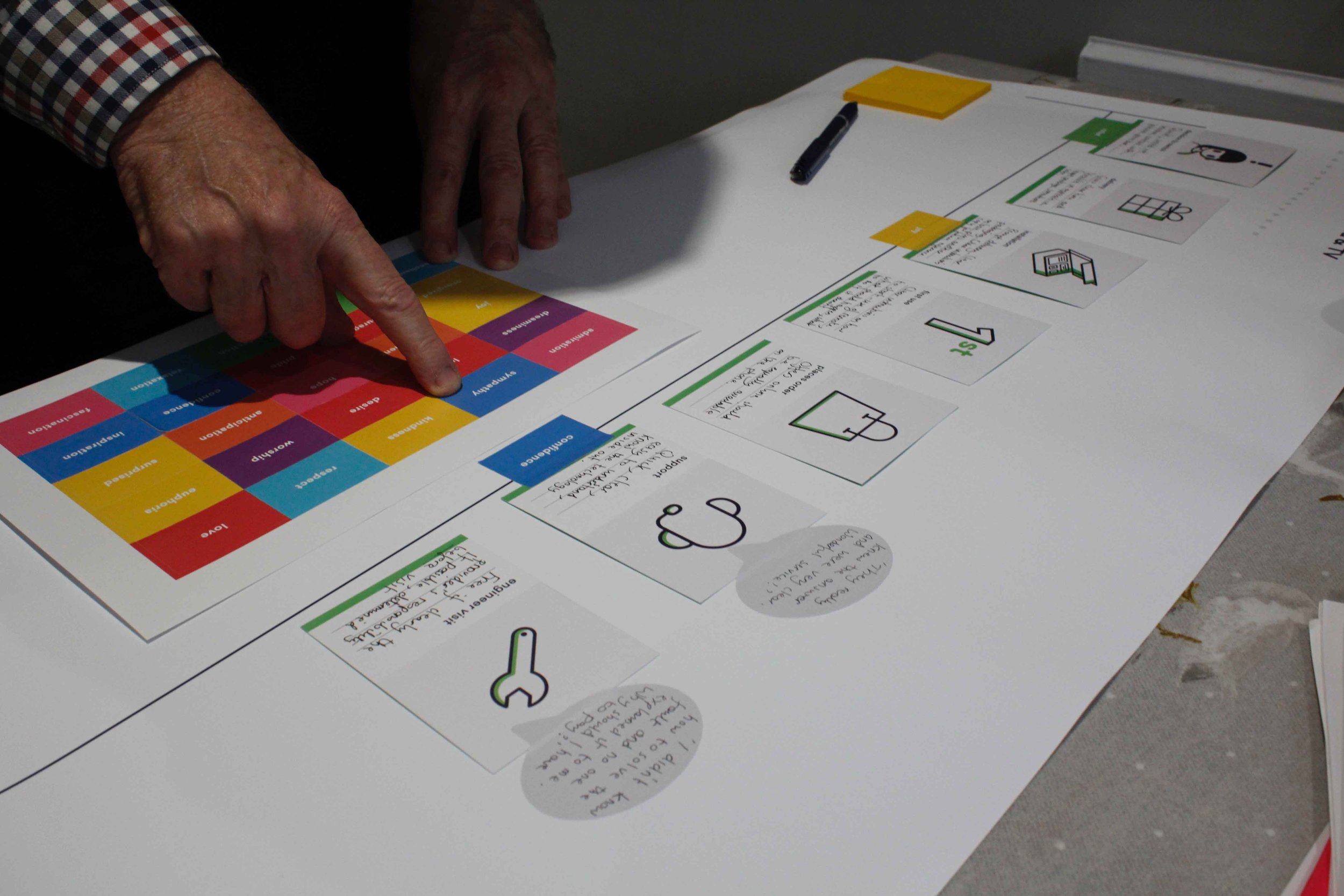
Customer personas help a business understand the kinds of people it serves and wants to reach. Each persona is a simple profile built from research, support logs, and customer feedback. Information contained in customer personas include:
Age range
Income range
Main worries
What matters most
Teams use personas to shape messages, offers, and support, based on people, not guesswork.
Personas come from surveys, interviews, reviews, and small group chats. They can also note how customers buy, what slows them down, and where they look for information.
Detailed customer personas should be reviewed often, since needs change with seasons, budgets, and life events. When the customer journey is mapped, each point of contact can fit what customers need at that stage.
Mapping Customer Journeys
Customer Experience mapping shows the steps customers take with a brand, from their first look to post- sales support. It helps a business see what customers feel, think, and do. It also shows where things go wrong, or where progress slows.
A journey map usually covers:
• Key stages, like research, buying, delivery, and follow-up
• Contact points, such as ads, web pages, calls, and emails
• Customer questions and worries at each stage
• Delays, repeats, or handovers that cause frustration
Maps will look different by business type and offer. Once the steps are clear, teams can decide what to fix first. Small changes can make the experience smooth and easier to trust, which can lift engagement and repeat custom over time.
Emphasising Personalisation and Proactivity
Personalisation and being proactive help businesses create experiences that feel relevant and engaging to their audience.
Customer data can support recommendations, offers, and messages that match what each customer is likely to need right now. Small details matter as customers want to feel noticed, instead of being treated like a number. It raises satisfaction and increases trust and loyalty, which makes repeat buying more likely.
Feedback should guide improvements, using surveys, reviews, support tickets, and day to day conversations.
A consistent experience across website, app, email, and in store visits, on every device, builds familiarity and trust. When patterns show a problem, businesses can fix it early, before it becomes a complaint. This shows customers the business listens, responds, and takes their time seriously.
Best Practices for Optimising Customer Experience
A strong customer experience comes from improving every point of contact with the brand. This starts when a customer first hears about a product or service and continues through buying, delivery, and the support that follows.
Each interaction should support satisfaction and loyalty. All interactions should make sense, feel good, and be easy to do. Customers respond on emotional, thinking, and practical levels, so all three matter.
Customer feedback and data should be checked often to spot problems in the journey.
Patterns show where customers get stuck, feel unsure, or lose trust. Changes can then be made with a clear purpose, not based on hunches.
A customer-focused approach helps businesses stay competitive and grow in a steady way. CX work should also match the brand’s vision and mission, so it stays consistent. When those principles are reviewed and updated, the experience stays relevant and effective.
Leveraging Customer Feedback
Customer feedback helps businesses improve customer experience design with real evidence, not guesswork. It works best when businesses use both quantitative and qualitative data.
Quantitative data shows patterns at scale, like ratings, completion rates, and repeat contacts. Qualitative data adds the why, through comments, stories, and the words customers choose.
Feedback can come from several places:
Surveys that track scores and trends over time
Reviews that highlight strong points and weak spots
Calls, emails, and live chats that show problems in the moment
In person conversations, where tone and detail add context
A good feedback loop needs trust, so customers believe their views lead to action. CRM tools can help businesses store feedback, group themes, and share insights with teams.
It makes it easier to turn comments into changes, without losing detail. When customer insight is used well, businesses can improve offers and service to match real needs and expectations.
Ensuring Consistency Across Channels
Consistency across channels matters because customers move between them without thinking.
Businesses must have the same tone, look, and level of service on websites, apps, social media, and in store. When the experience feels joined up, customers feel valued and more connected. It all strengthens trust and makes people more likely to stay loyal.
Technology makes it easy for customers to switch channels during one journey, so the story needs to stay clear, even when needs and situations differ.
Ideas from behavioural science and human-centred design can help businesses shape experiences that match how people think and act. When this work lines up with business goals, it supports satisfaction and loyalty.
It also reinforces brand identity and encourages repeat engagement over time.
Implementing Progressive Disclosure
Progressive disclosure is a method in customer experience design where information is shown bit by bit. It improves the experience by giving people what they need when they need it.
Progressive disclosure prevents customers feeling overloaded by too much detail at once. Instead, the business shares the right information at each stage of the journey.
This approach keeps things simple while still allowing deeper options when they matter. Customers see basic steps first, then extra detail only if they choose it. The balance helps people stay confident and in control, which can raise satisfaction. By breaking tasks into manageable parts, the experience feels clearer and more intuitive. Over time, progressive disclosure can increase loyalty because customers trust the process.
Enhancing the Customer Journey
Customer experience design helps businesses stand out from their competitors when customers have lots of options. It focuses on understanding customers and building a stronger connection at each stage.
Journey maps help teams see how customers move from interest to purchase, then to support and repeat buying. They also show gaps, slow steps, and moments that cause confusion.
Customer journey work often includes:
• Checking journey maps against real feedback and data
• Fixing weak stages, like slow replies, unclear pricing, or tricky checkout steps
• Updating messages so they match what customers need at that moment
• Testing changes and tracking what improves
Key measures can show whether changes are working, such as conversion rate, retention rate and Net Promoter Score (NPS). This is a widely used metric ranging from -100 to 100 that measures customer loyalty and satisfaction by asking how likely they are to recommend a company (0–10 scale).
Feedback from surveys, reviews, and support chats can point to what needs attention next.
When businesses improve the journey in small steps, it stays relevant as customer needs change. Over time, this builds a recognisable brand that customers trust and want to return to.
Optimising Touchpoints Across Different Stages
Improving points of contact at each stage of the customer journey helps a business create a smooth, engaging brand experience.
Customer journey maps make each interaction visible, from clicking an advert to using support after purchase. This view shows where targeted changes will raise satisfaction, and where gaps may be hiding.
To improve these points of contact, feedback needs to be gathered and used. Helpful sources include the following.
• Surveys that show ratings, trends, and changes over time.
• Reviews that explain what felt good, and what felt frustrating.
• Support calls, emails, and chats that show problems as they happen.
• Website or app data that shows where customers pause, quit, or drop off.
These inputs help businesses spot specific pain points, not vague issues. Addressing them helps interactions feel clear, helpful, and reliable from start to finish.
A strong CX design plan avoids ‘one size fits all.’ It considers the needs and journey stage of each customer segment. Businesses can adjust weak steps, improve support, and refine messages at the right time.
Over time, this builds a more joined up and memorable brand experience. Each interaction then becomes a chance to grow trust and loyalty.
Staying Ahead with Emerging Trends
Digital channels continue to change quickly, so businesses need CX design that keeps up and supports lasting relationships. The aim is not just speed or lower costs, but meeting customer needs before problems appear. AI tools can personalise messages and support, but they need careful use.
That means shaping the full journey from first awareness to after-sales support and loyalty. Good CX design considers how customers feel, think, and act at each stage. This covers screens, service calls, and in-person moments, so the brand feels consistent. When these parts work together, experiences feel valuable and easy to remember.
Service design can support CX by lining up people, processes, and tools around the customer. Processes should help teams share insight and fix issues early. This keeps the focus on long-term relationships, not one-off transactions.
AI-Driven Personalisation
AI-led personalisation is changing how brands speak to customers. It helps businesses give service that feels more relevant and quicker. AI can sort large volumes of customer data and spot patterns in behaviour and preferences.
The insight helps businesses tailor offers, support and messages to each person on a more individual basis. When personalisation is done well, customers feel valued and listened to. Engagement often rises.
Machine learning can suggest products and time messages based on what a customer has done before. This often matches what people expect online, and can go further when the timing is right. Used in CX design, AI supports stronger customer relationships and steadier loyalty.
It can route questions to the right team and flag customers who may otherwise leave soon. Data must be accurate and business owners must make sure it’s used responsibly.
The Rise of Hyper-Personalisation
Hyper-personalisation is the next step in customer experience design.
It uses AI and large data sets to shape interactions for each individual customer. It goes further than basic personalisation, because it can change what customers see, when they see it, and how it’s framed. The aim is to make customers feel recognised, which can raise satisfaction and strengthen loyalty.
Hyper-personalisation often shows up as:
• Product suggestions based on browsing, buying, and past choices
• Marketing messages aimed at specific interests, not broad groups
• Offers timed around habits, like payday, travel dates, or renewals
• Support that remembers past issues, so customers do not repeat themselves
Many customers now expect a fast, tailored service, especially online. Data analytics helps businesses understand behaviour and spot what they want next. This can improve relevance, but it also raises the bar for accuracy. If the data is wrong, the experience can feel annoying or intrusive.
When businesses use hyper-personalisation well, it can meet high expectations and build trust over time. Customers feel seen and supported, not pushed. It can lead to deeper loyalty and steadier long-term relationships. It can also support sustained success, because repeat custom is easier to keep than new custom is to win.
The Role of Empathy in CX Design
Empathy matters in customer experience (CX) design because it keeps the focus on real people.
Empathy helps a business create experiences that feel relevant and considerate at each stage. Seeing the journey through the customer’s eyes makes it easier to understand goals, motivations, and pain points. That leads to better decisions about what to change, how, and why.
Tools like an Empathy Map can help teams turn research into clear actions. It brings together what customers say, do, think, and feel, based on real evidence. This supports more realistic user personas and a customer-first approach across teams. When empathy shapes each point of contact, the journey feels easier, more engaging, and worth coming back to.
Building Emotional Connections with Customers
Emotional design is part of customer experience work. It focuses on how interactions make customers feel, not just what they do.
People often stick with brands that understand what matters to them, what annoys them, and what makes them feel good. When a business gets this right, loyalty and recommendations can grow.
Storytelling can help by giving customers a simple, relatable story to connect with. This might be the brand’s purpose, the people behind it, or the problem it solves. Emotional connection can go beyond a one-off purchase and turn into a longer relationship.
When businesses add emotional design to key points of contact, retention often improves. It can also encourage advocacy, where customers recommend the brand without being asked.
Fostering Customer Loyalty
A strong customer experience helps businesses build closer links with new and existing customers. It supports loyalty and can raise customer lifetime value. A smooth journey also strengthens brand equity, because customers are more willing to stay involved. That shows up in repeat purchases over time.
Ways a business can track and support loyalty include:
• Net Promoter Score (NPS), which shows how likely customers are to recommend the brand.
• Repeat purchase rates and renewal rates, which show whether customers come back.
• Retention rates, which show how many customers stay over a set period.
Research suggests 61 percent of consumers may switch after one bad experience. This makes a steady, positive experience important for long-term success.
Addressing Challenges in CX Design
Customers have lots of choice, so customer experience (CX) undoubtedly can shape whether a brand wins or loses trust.
CX design looks at the full journey, from first awareness to loyalty. It works best with a clear plan that matches the business’s values and direction. It also means meeting customer needs now, while preparing for what they will expect next.
CX design goes beyond screens and user interfaces. It covers how customers feel, think, and act at each stage. Ideas from psychology and social research can help businesses spot what drives decisions and frustration. This supports customer-led improvements that solve real needs and help build loyalty.
Common CX Design Challenges
Customer experience design comes with a few common challenges that need careful handling. If these are missed, the work can quickly feel out of date or solve the wrong problem. Clear focus helps teams make changes that actually improve the journey.
Common challenges include:
• Keeping journey maps current, so they reflect how customers behave right now
• Finding the real pain points, and measuring where customers lose interest or feel frustrated
• Making changes in small steps, so teams can see what worked and what caused the result
• Collecting fresh insight through surveys and interviews, to keep empathy work accurate
• Separating CX from UX, since CX includes marketing, sales, and support, not just screens
When these areas are managed well, businesses can spot gaps sooner and make smarter improvements.
Actionable Solutions for Design Teams
To tackle CX challenges, design teams can improve points of contact before, during, and after conversion. This supports stronger relationships between customers and the brand. Their work should go beyond user interface changes and look at the full experience. That includes how customers feel, think, and act at each stage.
Practical steps often include:
• Mapping the journey to spot gaps before they become complaints
• Using a CRM to track feedback, repeat issues, and service history
• Improving key moments around buying, delivery, and support
• Designing for clear information, fewer steps, and helpful choices
• Checking whether changes meet real needs, not assumed needs
Customer insight needs to drive decisions, using research, feedback, and behaviour data. Marketing insight and human factors can help teams understand what influences choices. Wider social research can also help explain patterns in behaviour and meaning.
When these inputs are used well, CX design feels joined up and purposeful, from first contact to long-term loyalty.
More Insights
The path to purchase is more than simple transactions. It’s a mix of experiences that guide people.
Understand what Customer Experience Maps are and how to use them in your business.