
Mystery Shopping Explained: What It Is and How It Works
Understanding customers isn’t optional for businesses. Mystery shopping offers a clear view of the customer experience as it really happens.

Overview
Understanding customers isn’t optional for businesses. It shapes how services are delivered, how staff behave, and how brands are remembered.
Knowing what customers think and experience helps businesses grow in a steady way. Without that insight, decisions are often based on guesswork.
Mystery shopping offers a clear view of the customer experience as it really happens. It shows what customers see, hear, and feel when they interact with a business. Mystery shopping makes it easier to spot gaps between what a business believes it delivers and what customers actually receive. As a result, many organisations now use mystery shopping to guide service improvements.
This is a clear look at mystery shopping. It explains what it is and how it works. It shows what it can reveal for new and established businesses. It also covers when to use it, how to brief shoppers, and what good reporting looks like in practice. Practical examples show how findings can improve customer experience and support better decisions.
Unveiling the Secret to Understanding Your Customers
The Power of the Customer's Perspective
Businesses often focus on what they sell and how they deliver it. The bigger question is why customers choose them, return, or leave. Mystery shopping helps a business see the experience from the customer’s side. That view can reveal issues that internal teams miss.
For example, a supermarket might believe self-checkout is quick and simple. Mystery shoppers may find unclear prompts, awkward layouts, or faults that slow everything down. Those small problems can frustrate customers and affect sales. With clear evidence, the business can fix the right things.
Setting the Scene: A Peek Behind the Curtain
Mystery shopping lets a business see itself through the customer’s eyes. It captures what really happens, from the first greeting to the final interaction. Instead of relying on opinions or assumptions, it records real experiences in a structured way. These experiences turn everyday impressions into insight that teams can act on.
Many businesses already use mystery shopping to gather direct feedback on the customer journey. A high-street clothing retailer, for example, can ask a mystery shopper to assess:
• Window displays and first impressions
• Store layout and ease of browsing
• Staff behaviour, product knowledge, and willingness to help
• Fitting rooms, queues, returns, and checkout
This level of detail is hard to get from surveys alone, because people often forget specifics. It also shows whether service matches brand standards on the day. With clear findings, businesses can fix weak spots and tighten processes. In doing so, they can improve the experience step by step.
What Exactly IS Mystery Shopping?
The Core Concept: More Than Just a Shopper
Mystery shopping, sometimes called secret shopping, is a structured way to check customer experience. Trained shoppers or researchers act like everyday customers and report what happens. The goal is to see the service as customers see it. It turns a real visit into clear, usable feedback.
A mystery shopper may review things like:
• How staff greet and help customers
• Wait times and how queues are handled
• How clear the advice or information is
• Product displays, pricing, and availability
• How the space feels, including noise and cleanliness
Mystery shopping isn’t about catching staff out or blaming individuals. It helps businesses understand what works and what needs tightening.
For example, in bank branch, a shopper might time the wait and note the service. They might check if the cashier explains options in plain language. The findings help the bank make practical changes and improve the journey.
Defining "Mystery Shopping" and "Secret Shoppers" (And Why It Matters)
‘Mystery shopping’ and ‘secret shoppers’ are often used to mean the same thing, and it’s partially correct. ‘Mystery shopping’ is the activity, while ‘secret shoppers’ are the people doing it. That difference matters because some related terms point to a narrower task, not a full review.
Businesses may also hear terms such as:
• Mystery checks - which often focus on specific service rules
• Store checks - which may cover cleanliness and stock levels
• Display audits - which look at how products are presented
For example, a display audit might only assess pricing labels, signage, and shelf layout. A store check might look at stock availability, tidiness, and basic standards.
Whatever the label, the goal is the same: unbiased feedback from the customer’s point of view. Clear wording help businesses choose the right type of check, depending on what they need to improve.
The Ultimate Goal: Improving Customer Experience and Service Quality
The main purpose of mystery shopping is to improve customer experience (CX) and service quality. It shows what’s working and what’s letting customers down. With the evidence that results from mystery shopping, businesses can make specific changes that lift customer satisfaction. Better experiences lead to stronger loyalty and more repeat sales.
Mystery shopping is not about catching staff out. It helps businesses understand the full journey and spot missed chances to do better. It also supports a culture that listens to feedback and acts on it. It subsequently makes service standards clearer for everyone.
A UK restaurant chain might check several parts of the visit:
• Food quality and accuracy of orders
• Staff welcome, tone and helpfulness
• Toilet cleanliness and table tidiness
• Waiting times for seating, drinks and the bill
This view can show gaps in delivery and what to fix first. It’s something that matters in the UK restaurant market, where customers can switch quickly.
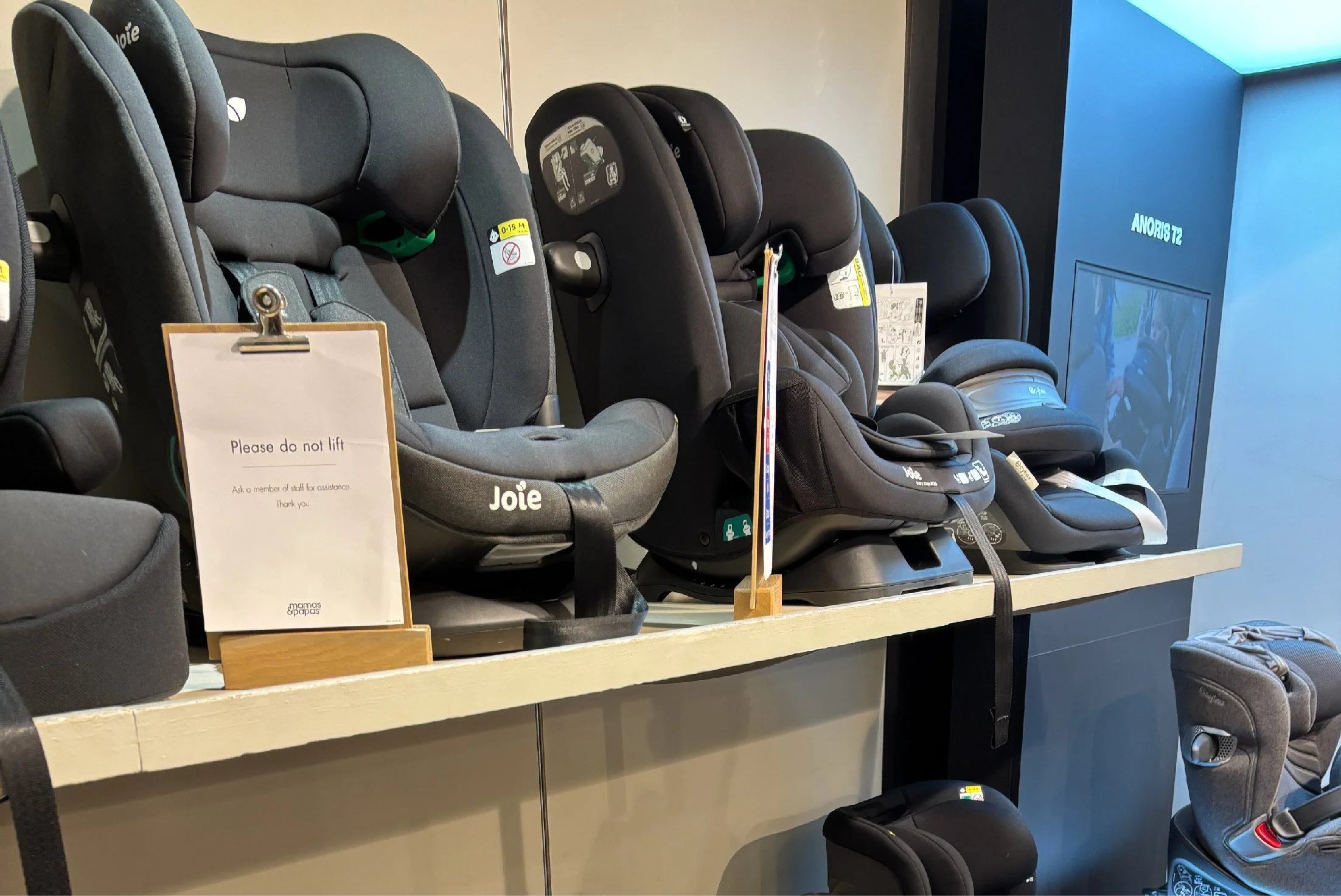
Who Are These Mystery Shoppers?
The Role of the Mystery Shopper: A Critical Eye and a Discreet Approach
Mystery shoppers act as observers inside the customer experience. They follow a clear brief and assess specific criteria, while behaving like any other customer. The key is to stay natural and unnoticed, so the experience remains genuine. Their feedback is based on what actually happens, not assumptions.
A mystery shopper may be asked to check:
• How staff greet and speak to customers
• How long key steps take, such as waiting or paying
• Cleanliness, layout, and overall atmosphere
• Whether information is clear and easy to understand
Blending in is essential, because it keeps behaviour natural. In a cinema, a mystery shopper might buy tickets, order snacks, and sit through the screening. They would note queue times, staff manner, seat condition, and picture quality. These quiet observations give businesses an honest view of the real customer journey.
What Makes a "Good" Mystery Shopper? Essential Skills and Attributes
A good mystery shopper does more than visit a business and take notes. They need strong observation skills and good attention to detail. A reliable memory is also essential. Mystery shoppers must follow the brief closely. They have to remain discreet and report what happened without bias.
Key skills usually include:
• Noticing details, without staring or making it obvious
• Staying objective, even if the service is very good or very poor
• Following instructions and scoring rules exactly as set out
• Writing clear reports that explain what happened and when
• Keeping personal opinions separate from what was observed
During a hotel visit, for example, a mystery shopper might assess the room comfort and basic facilities. They’ll note how staff greet guests. They’ll report back on how quickly issues were handled and how clean shared areas are.
The value of a mystery shopper comes from clear, unbiased reporting. It helps the business see what to improve and where standards are already strong.
Are They "Professional Researchers" or Just Everyday Customers?
Some mystery shoppers are everyday customers, but many businesses now use trained researchers. A professional researcher understands research methods and customer experience analysis, so the feedback is often more detailed.
They know how to collect information carefully and report it in a way that leads to clear action. This can improve the quality and usefulness of the whole mystery shopping programme.
It matters most when the service is complex or regulated. For example, a UK financial services provider may need a shopper who understands financial products and basic rules. That shopper can judge whether explanations are clear and whether staff follow the expected process. A general shopper might miss those details, or focus on the wrong things.
The Mystery Shopper's Toolkit: What They Need to Get the Job Done
A mystery shopper’s toolkit depends on the assignment and the setting. Most jobs include a clear brief that explains the scenario and what to assess. It also includes a scoring sheet, so observations are recorded in a consistent way. Some tasks need extra items. These include receipts, booking details, or a prompt to ask certain questions.
For a restaurant visit, the brief may include questions to ask the waiter or dishes to order. It may also set rules on timing, like when to arrive or when to request the bill. Mystery shopper tools can include an app to time events or take photos. Mystery shoppers often need to complete a report after the visit. This helps keep the evidence clear.
Some toolkits also include guidance on ethics and privacy. This is important for work that involves personal data or sensitive situations. It helps ensure the visit follows UK data protection rules and keeps the research fair.
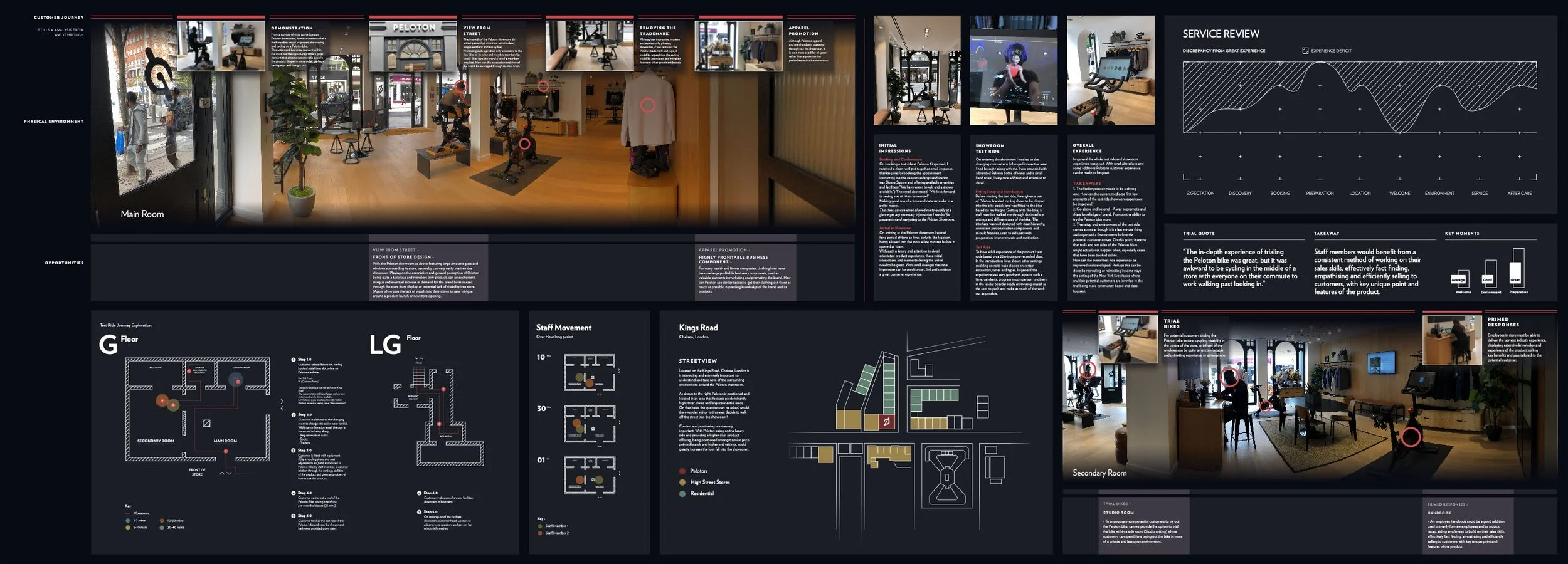
How Does Mystery Shopping Actually Work? A Step-by-Step Guide
Phase 1: Planning and Preparation
Phase one starts by setting clear goals for the mystery shop. A business decides what to measure, such as friendliness, speed, product knowledge, or the full customer journey.
Clear goals keep the project focused and make results easier to use.
Next comes the scenario and the brief, which tell mystery shoppers what to do and what to check. A retail scenario might involve asking for help with a specific product, then noting how staff respond. The brief sets out the exact questions to ask and what counts as good service. This keeps visits consistent across different locations.
Planning also covers the practical set-up, so visits happen smoothly and reports stay comparable. This usually includes:
• Recruiting shoppers who match the right customer type
• Scheduling visits across dates and times, including busy periods
• Setting reporting rules, such as timings, evidence, and scoring
In a UK pharmacy chain, planning might include scenarios for prescription collection, over-the-counter advice, and general service. These scenarios should reflect how the sector works day to day.
The aim is a realistic test, not a staged situation. With strong preparation, later findings are clearer and easier to act on.
Phase 2: The ‘Shopping’ Experience
This is the stage where the mystery shopper carries out the plan. They visit the business as a typical customer and follow the agreed scenario. They may speak to staff, look at products, ask questions, or make a purchase. The shopper stays discreet and behaves naturally, so the visit reflects a real customer experience.
During the visit, the shopper records what happens in a structured way.
They capture quantitative details, such as wait times, prices, and whether key steps were completed. They also capture qualitative details, such as staff manner, clarity of answers, and how the place feels.
This mix gives a fuller picture of the customer journey, not just a score.
In a car dealership, a shopper might check how well the sales person explains the make and model of a vehicle. They might note how quickly questions are answered and whether staff follow up.
They would also assess the showroom presentation, such as signage and cleanliness. Taken together, these details show what the experience is really like.
Phase 3: Reporting and Analysis
After the visit, the mystery shopper writes a detailed report based on what happened. This is usually done on a scoring sheet or an online form. The report turns observations into data that can be reviewed and compared. It helps a business see what needs to change and where standards are already strong.
A report will usually include:
• Key timings, such as queue time and service speed
• Prices, offers, and what was available on the day
• What staff said, how they explained things, and how clear it was
• What the shopper saw, such as cleanliness, layout, and presentation
The analysis then looks for patterns and repeat issues, such as:
• Common gaps in service quality across sites
• Differences between teams, shifts, or locations
• Presentation issues that reduce trust or sales
Findings can be used to guide training and improve day-to-day processes. One example is of a retail chain that used the insights and saw a 10% rise in satisfaction and an 8% improvement in conversions post-training.
This stage also includes quality checks to keep the data reliable. Reports are reviewed so scoring is consistent and key themes are clear. Reports and recommendations are assessed to make sure they fit the UK context.
Why Should Your Business Invest in Mystery Shopping? The Undeniable Benefits
Improving the Customer Experience (CX) to New Heights
Mystery shopping gives businesses a clear view of the customer experience as it happens. It shows what works well. It also shows where customers feel stuck, confused, or let down. Those moments can push customers away, especially when alternatives are close by. When issues are found early, businesses can fix them and protect loyalty.
Mystery shopping can help businesses:
• Spot gaps in service and staff knowledge
• Tighten processes that slow customers down
• Improve interactions, from greeting to checkout
• Create a smoother experience that supports repeat custom
In the retail sector, consistent service can make a real difference.
A department store may find, as a result of mystery shopping, that staff greet some customers well, but not others. The exercise might show that product knowledge varies by department or shift.
With targeted training and clearer service rules, these problems can be corrected so the experience becomes more consistent and more likely to bring customers back.
Boosting Customer Satisfaction and Loyalty
Customer satisfaction keeps businesses afloat, especially in service and retail. Mystery shopping helps a business check whether service meets expectations in real life. Industry sources report that 73% of companies using mystery shopping see higher satisfaction. The figure varies by study, but the message is clear: small issues matter.
When service falls short, mystery shop reports show where and why. Fixes can be targeted, such as coaching, clearer scripts, or better stock checks. Happier customers return more often and recommend the business to others, becoming valuable brand advocates. In the UK, recommendations and reviews carry real weight in buying decisions.
A coffee chain, for example, can check drink quality and speed across sites. Mystery shoppers can flag slow queues or inconsistent quality. They can also identify missing upsell prompts. Those changes can lift satisfaction and strengthen loyalty in a crowded market.
Enhancing Service Quality and Consistency Across the Board
Consistency matters in customer service because customers notice gaps fast.
Mystery shopping helps businesses check service quality across different sites, teams, brands, and departments. It shows where the experience is strong and where it changes from place to place. That gives a clear benchmark for what ‘good’ looks like in practice.
Mystery shopping can help businesses:
• Compare service standards across locations and teams
• Spot differences in greeting, advice, and problem handling
• Tighten processes so staff follow the same service steps
• Shape training around real behaviour, not assumptions
This is especially important for multi-site businesses, where uneven service can harm reputation and loyalty.
A bank can use mystery shopping to check how branches explain products and resolve issues. Findings can then support consistent service rules and training across all branches. It would help the bank build trust and keep customer experience steady, wherever customers visit.
Identifying Gaps in Staff Knowledge and Training
Staff are critical in shaping customer experience. Mystery shopping helps a business see where staff perform well and where support is needed. It can highlight gaps in product knowledge or service steps. It can also help identify any problems with how staff handle questions. Mystery shopping makes it easier to plan training that fixes the real issues.
Mystery shopping can help businesses:
• Spot where staff knowledge is patchy or outdated
• See whether advice is clear, accurate, and easy to follow
• Check if service standards are followed under pressure
• Focus training on the gaps that affect customers most
For example, in an electronics retailer, staff may struggle to explain new smart TV features. A mystery shop can show which details are missed and where customers get confused. The retailer can then run short product training sessions and refresh key talking points. This training would help staff give better advice during the sales process and improve their confidence. Better product knowledge can help increase sales and lead to higher customer satisfaction.
Benchmarking Against Competitors
Businesses need to know how they compare with competitors. Mystery shopping can help by measuring similar things across different brands. It gives a clearer view of where a business is ahead and where it’s falling behind. That information can guide decisions and help a business stand out.
Mystery shopping can be used to compare:
• Customer service, including help and problem handling
• Product availability, stock levels, and how gaps are managed
• In store experience, including queues, layout, and cleanliness
• How clear pricing, offers, and signage are
In the UK food retail sector, where options are easy to switch between, these details matter.
A business can see where it performs well and where it needs improvement. It can also spot what competitors do better and decide what to change first. This makes it easier to improve customer experience in a focused, practical way.
Protecting Your Brand Reputation
Brand reputation can be damaged extremely quickly when customers share bad experiences online. One poor review can put others off before a business gets a chance to respond.
Mystery shopping helps businesses spot service issues early, while they’re still easy to fix. Action taken proactively in response to mystery shopping reduces the risk of public complaints.
Mystery shopping can highlight problems that often trigger negative feedback, such as slow responses, unclear information, or standards slipping during busy periods. It also shows whether staff follow the same service steps day to day.
When issues are picked up quickly, businesses can address them quietly and improve consistency. Over time, this supports stronger reviews, steadier trust, and a reputation that holds proved under pressure.
Ensuring Regulatory Compliance (Where Applicable)
In some sectors, legal compliance is an essential requirement. Mystery shopping can help businesses check whether staff follow rules and internal policies in real situations. It gives evidence of what was said, what steps were taken, and whether required checks happened. This can reduce the risk of penalties and protect trust.
In the UK, this matters in regulated areas such as:
• Gambling and age checks
• Alcohol sales and Challenge 25 procedures
• Financial services and customer protection rules
A mystery shop can test whether staff follow the correct process, especially during busy periods. It can also flag where guidance is unclear or training needs a refresh. When businesses act on the findings, compliance becomes more consistent and easier to manage.
Driving Sales and Profitability
Mystery shopping can increase sales and customer loyalty because it improves the way customers are treated. Better service can lead to higher satisfaction and more repeat visits. When staff know what to do and how to help, fewer customers drop out.
Staff performance matters too. Gallup reports that highly engaged business units can achieve 18% higher sales productivity. Up to 86% of buyers say they’re prepared to spend more when customer service is excellent. Mystery shopping helps by showing what staff do in real situations, not training rooms.
In a UK retail setting, results often come from a few practical fixes like clearer greetings and a smoother shop floor experience. Mystery shopping can show where service slips, where queues drag, or where advice is unclear. Once those issues are fixed, sales and profit improve as a natural result.
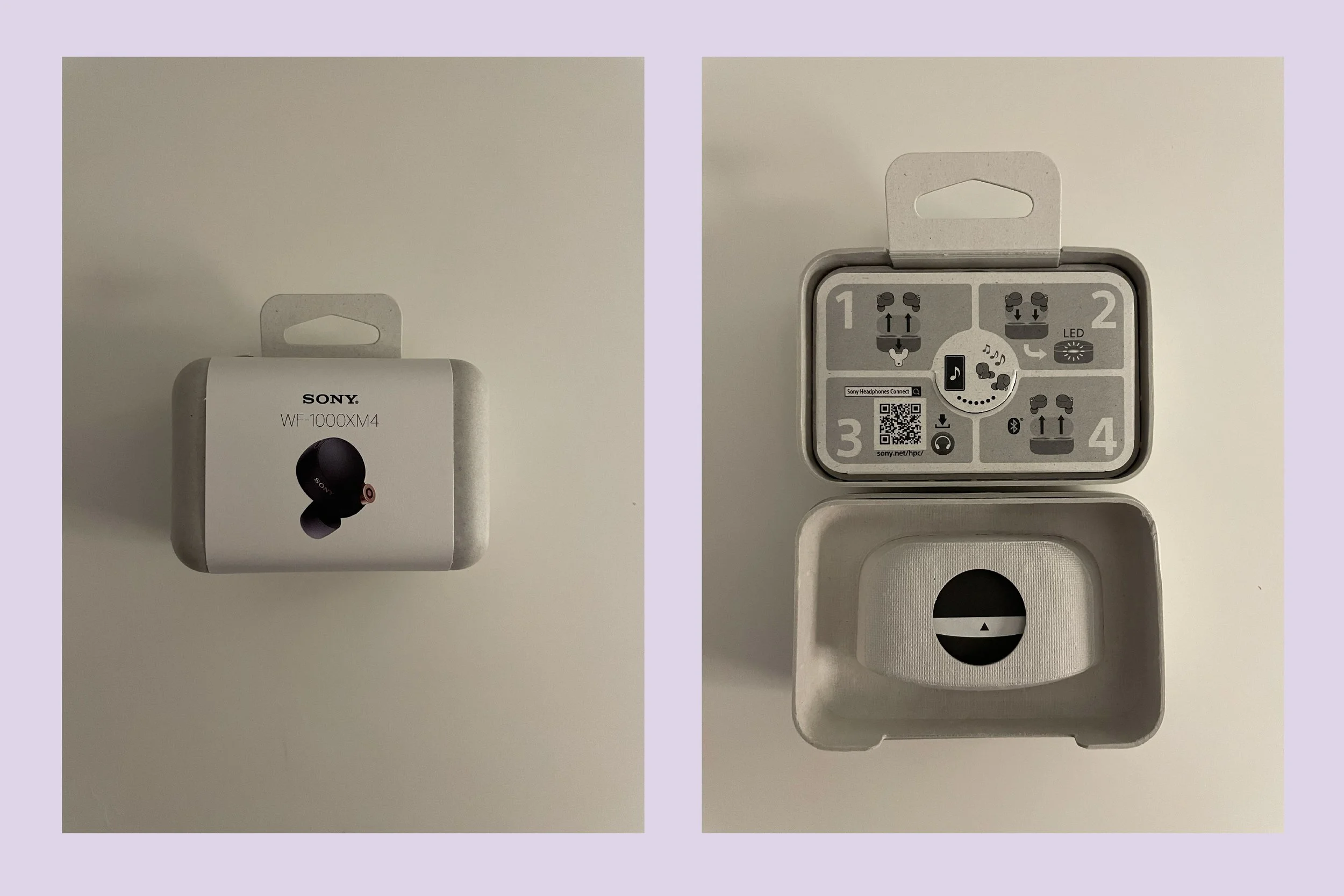
The Different Flavours of Mystery Shopping: Tailoring to Your Needs
In-Person Mystery Shopping
In-person mystery shopping is the traditional format. A trained shopper visits any customer-facing venue. They interact with staff and observe the environment. They’ll assess how products or services are presented. They record what happens across the visit, from arrival to leaving.
This method produces rich qualitative insight because it captures face to face detail. It can pick up tone of voice, body language, queue handling, and how staff respond when things get busy. It also shows whether the space feels welcoming, well-run, and easy to use. For UK businesses with a strong high street presence, those details often shape repeat custom.
It also helps businesses test service steps in real time. These include how questions are handled and whether the experience stays consistent. The findings can then guide training and basic standards, based on what customers actually experience.
Telephone Mystery Shopping
Telephone mystery shopping focuses on customer service that happens on calls. It suits businesses where the phone is a main contact route, such as call centres and support teams. A mystery shopper calls with a planned question or problem, then records what happens. The shopper checks how staff handle the call, not just whether they answer it.
The visit is scored on what matters most on the phone, including tone, listening, and how clearly staff explain next steps. It can also check practical standards, like hold times and whether staff follow required scripts. This method is useful for UK businesses with large service teams, where small differences between agents can affect trust.
Telephone mystery shopping can also test how issues are handled from start to finish. These might include a billing query or a complaint. The findings can guide coaching and improve call handling, without guessing what customers are dealing with.
Online Mystery Shopping (Web CX)
Online mystery shopping checks the customer experience on digital channels. It suits businesses that sell online or manage accounts through portals and apps.
A mystery shopper follows set tasks, like browsing, searching, buying, or asking for help. They record what happens and where the journey feels easy or frustrating.
This type of check often looks at how clear and usable the online journey is. It can cover navigation and searching for specific items. It will identify whether key information is easy to find. It also reviews how questions are handled, such as response times on live chat or email. In the UK, where online buying is common, these details can affect trust and conversion.
Online mystery shopping can also test the full purchase flow. That includes product pages, checkout steps, delivery information, and returns. It shows where customers drop off and why. The findings help businesses improve the digital journey in practical ways, without relying on assumptions.
Hybrid Mystery Shopping
Hybrid mystery shopping brings different methods together to show the full customer journey.
It looks at how channels connect, rather than treating each one in isolation. This approach helps businesses see what happens when customers move between online, phone, and in person service.
A hybrid mystery shop may include:
• Starting a journey online, such as browsing or placing an order
• Contacting customer service to ask a question or solve a problem
• Completing the journey in a physical location, like collecting or returning an item
This method highlights where journeys feel smooth and where they break down. It can reveal issues that only appear when channels overlap, such as mixed messages, slow handovers, or repeated questions.
For UK businesses operating across digital and physical spaces, this joined-up view helps ensure the experience feels consistent from start to finish.
Video Mystery Shopping
Video mystery shopping uses video to capture real interactions between staff and customers.
It creates visual evidence of what happened, not just what someone remembers later. This can be useful when a business wants to review behaviour, service steps, and customer handling in detail. It can also highlight small issues that are easy to miss in written reports.
Video evidence can be used to enhance training, because it shows real examples of good practice and areas to improve. It can help teams look at tone, body language, clarity of explanations, and how smoothly service steps are followed.
Video mystery shopping is often valuable in customer-facing UK settings where service standards rely on people, not just systems. Clear rules are essential, including consent where required and careful handling of any personal data.
Mystery Checks (Specific Tasks)
Mystery checks focus on one clear task, rather than the full customer journey. They’re used to confirm whether specific rules or standards are being followed. This makes them useful when a business needs certainty around compliance or execution and suits UK businesses in regulated or tightly controlled environments.
Mystery checks are often used to review things like:
• Age verification and legal checks
• Promotional displays and pricing accuracy
• Stock availability and shelf standards
• Safety, hygiene, or basic operational rules
Mystery checks help confirm that procedures are followed consistently, even during busy periods. Because the scope is narrow, results are quick to analyse and easy to act on. That makes mystery checks a practical way to manage risk and maintain standards without running a full mystery shopping programme.
Display Audits: Assessing Product Presentation
Display audits focus on how products are presented in store.
They look at whether displays attract attention and make it easy for customers to understand what’s on offer. A mystery shopper reviews what customers see as they move through the space. The aim of display audits is to check whether presentation supports buying decisions.
A display audit may assess:
• How clear and readable signage is
• Whether products are easy to find and well grouped
• Stock levels and how gaps are handled
• The overall look and order of shelves and displays
Visual merchandising strongly influences sales. Poor layout or unclear pricing can put customers off, even when the product is right.
Display audits help businesses spot issues early and keep standards consistent. When displays work well, customers browse longer and buying feels easier.
Store Checks: A Broader Perspective
Store checks give a wider view of how a shop is running day to day. They’re less focused on one task and more about overall standards and how smoothly the store operates. A shopper looks at what customers would notice, plus the practical basics that affect service. The result is a clear snapshot of the in-store experience.
Store checks often cover:
• Cleanliness and general upkeep
• Layout, signage, and ease of finding key areas
• Staff availability and visibility on the shop floor
• Queue length, waiting time, and how issues are handled
• Whether basic service steps are followed consistently
This is useful for UK chains with multiple sites, where one weak location can affect trust in the whole brand.
A store check helps highlight where standards slip or where processes slow things down. It’s an effective way to identify where support is needed. It also helps businesses compare locations fairly, using the same criteria each time.
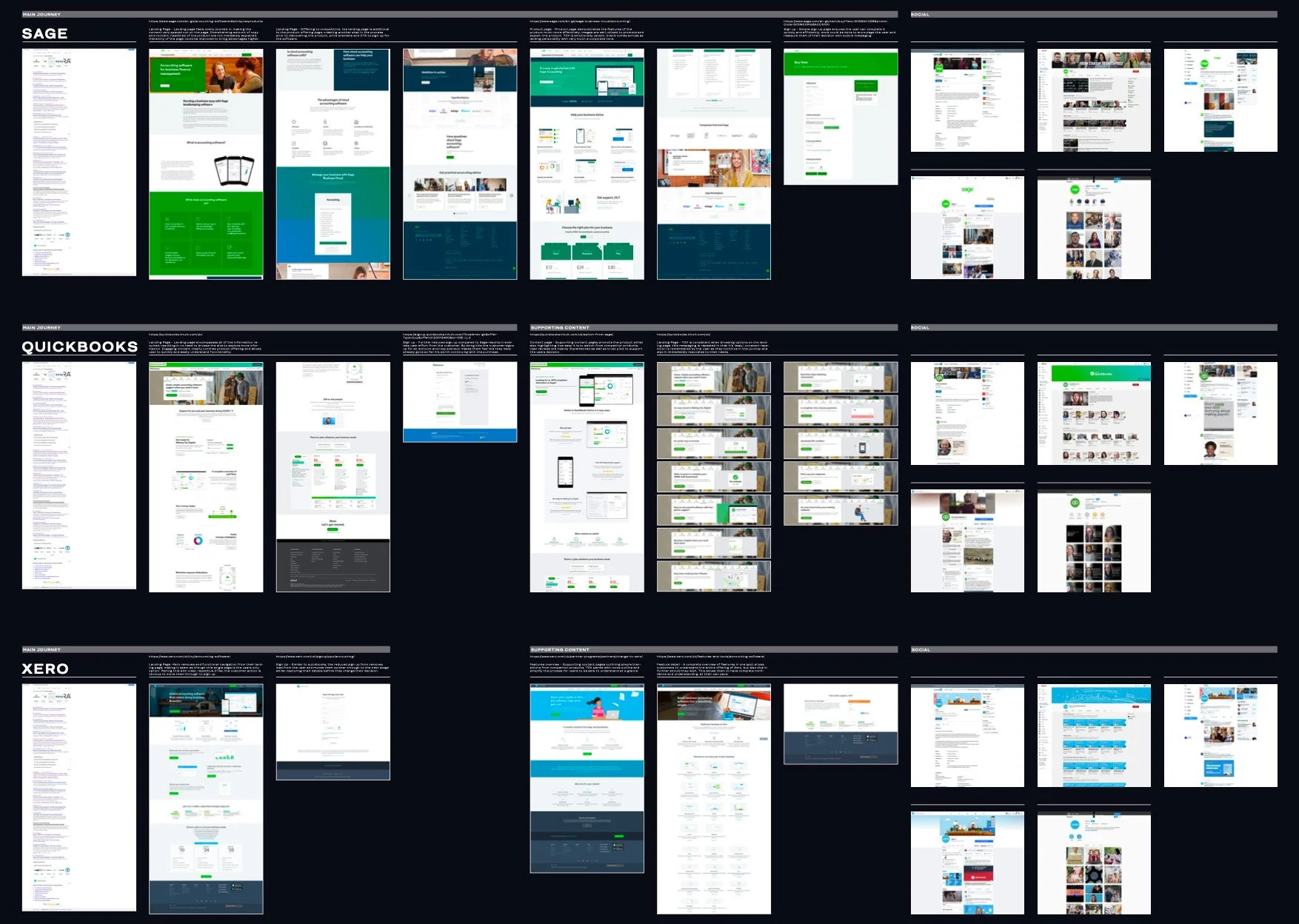
Conclusion
Mystery shopping gives businesses a clear view from the customer’s perspective. It can include mystery checks, store checks, or display audits, depending on the aim. The value is simple: it shows what customers experience, not what a business assumes. It also highlights what matters most to customers in real situations.
Mystery shopping can reveal where a business performs well. It also identifies where standards slip and issues that affect trust. When findings are used well, teams can improve service quality and build stronger relationships. Over time, this can support steadier growth in the UK market.
Customer expectations keep changing, and costs feel tighter for many people. This makes service consistency more important, not less. Mystery shopping helps businesses stay close to what customers notice and remember. It turns feedback into action, without relying on guesswork.
Next steps should be practical and tied to business goals. A business can start by choosing what it wants to measure, then picking the right type of check.
Some businesses run the work in-house, while others use a specialist provider. Either way, the purpose stays the same: improve customer experience and build loyalty.
Used consistently, mystery shopping can strengthen reputation and help a business compete with confidence.
More Insights
Businesses that grow know great Customer Experience keeps people buying.
The path to purchase is more than simple transactions. It’s a mix of experiences that guide people.