
Have you ever gone into a shop for one item, but walked out with a trolley full instead? That shows the power of a carefully planned retail customer journey. The path to purchase is more than simple transactions. It’s a mix of experiences that guide people from first interest, through buying, to staying loyal after the purchase.
Overview
For businesses that want to succeed, understanding these retail customer experiences is essential. Mapping each step helps retailers spot needs early, fix pain points, and create personal interactions that feel relevant to customers. Whether someone’s walking the aisles of a shop, or browsing an online catalogue, every interaction shapes the overall shopping experience and influences loyalty.
The retail customer experience runs from first awareness through to long-term loyalty, shaped by many small moments along the way. Insights and practical tools, like customer experience maps, help retailers face modern challenges and use data to improve experiences. By understanding these journeys in detail, retailers can refine every step, creating smoother paths and higher satisfaction for their customers.
Understanding the Retail Customer Experience
Understanding customers’ retail journey and experience is vital for learning about shopper behaviour, preferences, and needs. The retail experience covers every interaction a person has with a brand, giving businesses valuable chances to shape stronger marketing and improve the overall relationship between brand and consumer.
By carefully studying these interactions, retailers can see where potential customers are lost, and spot service gaps that hurt satisfaction and loyalty. These insights make it possible to build personal experiences that grow trust, encourage repeat visits, and create lasting relationships.
They apply across every touchpoint, including shops, websites, mobile apps, social media, and customer service.
Defining the Retail Customer Experience
The retail customer experience is the full lifecycle a shopper goes through, from their first meeting with a brand to any steps after a purchase. It stretches across many touchpoints, including shops, websites, apps, social media, and customer service.
A retail customer experience map is a helpful tool, acting as a visual guide to improve satisfaction and build retention. By refining each stage of the sales funnel, retailers can raise conversion rates and grow loyalty. This broad view also supports personalisation, using data to shape content, offers, and interactions that increase engagement and drive sales across every channel.
The Importance of Customer Experience Mapping
Customer experience mapping is a tool that shows the journey from first contact to after a purchase. It gives retailers a clear view of what customers think, feel, and do at each stage.
By seeing things through the customer’s eyes, businesses can spot needs and improve services. These maps also help adjust marketing strategies, so they match what customers really want.
Reviewing the maps often lets retailers improve touchpoints and raise satisfaction. Updating them regularly helps companies adapt to changing needs, build loyalty, and grow steady revenue. This simple process turns insight into action, keeping customers engaged for the long term.
Key Stages of a Retail Customer Experience
The retail customer experience is a path that takes people from first contact with a brand to long-term loyalty. By mapping the journey, retailers can spot issues and improve each stage to raise satisfaction and retention. Every step - from the very first engagement to post-purchase care - shapes how customers see the brand.
Looking closely at this journey helps businesses shape marketing and meet individual needs. This tailored approach builds stronger loyalty and keeps customers coming back.
Understanding each stage not only improves the experience but also gives retailers an edge in a busy market. It turns everyday interactions into lasting trust and repeat sales.
Assimilation and Awareness
The awareness stage is where the retail customer experience begins. At this point, people first meet a brand through ads, eCommerce sites, social media, or direct marketing. These first moments are vital, as they shape the customer’s first impressions and ideas about the brand.
A clear experience map gives insight into what people think and feel during this stage. With this knowledge, retailers can improve interactions and make first contact smooth and positive. Success here strongly influences how customers see the brand. It also lays the foundation for loyalty, which is essential for keeping a brand strong over time
Research and Consideration
The research and consideration stage begins when customers start looking more closely at their options. Here, they compare choices, weigh up their preferences, and decide what best meets their needs. This makes the stage critical for shaping strong retail marketing strategies that guide them towards a decision.
Customer experience mapping gives retailers insight into gaps in service and missed chances to connect. Seeing the process through the customer’s eyes helps improve interactions at key touchpoints. These insights let retailers refine products and services to fit real behaviour. Done well, this stage builds satisfaction, trust, and loyalty during the decision-making process.
Validation and Purchase Decision
As customers move further down the funnel, they reach the validation and purchase stage.
At this point, many people look for reassurance before buying, often through reviews, ratings, or other signs of social proof. This phase is the peak of the journey, where a smooth and positive experience matters most.
The purchase process must be clear and convenient, with simple steps, clear product details, and several payment options. Retailers who present their offers well, while fixing pain points found earlier, increase both trust and satisfaction. These actions help guide the final choice and secure the sale with confidence.
Post-Purchase Support and Loyalty Building
The journey doesn’t end with a purchase. Post-purchase support is key to building long-term customer loyalty and trust. Strong support can include clear warranties, easy-to-follow guides, and quick responses from customer service. These steps raise satisfaction by giving customers smooth follow-up help and reliable solutions when problems appear.
Mapping this stage also means adding personal offers and loyalty programmes to keep customers interested. Regular follow-up contact, paired with extra incentives, encourages repeat buying. By improving these touchpoints, retailers can lift satisfaction and increase loyalty. This not only secures more conversions but also builds stronger profits through customer retention over time.
Crafting Effective Retail Customer Experience Maps
Creating customer experience maps is essential for retailers who want to improve customer experience and satisfaction. An experience map is a visual tool that shows the path from first awareness of a brand to purchase, and then post-purchase support. By seeing the journey through the customer’s eyes, retailers learn what people think, feel, and do at each stage.
These maps make it easier to spot pain points and design solutions that improve interactions across shops, websites, apps, and other channels. The aim is to build seamless, satisfying experiences that raise loyalty and strengthen business results over the long term.
Identifying Customer Personas
Customer personas are a key part of building strong customer experience maps. A customer persona is a representation of a brand’s ideal customer, based on people who’ve already made a purchase. These profiles help retailers design more personal interactions and marketing strategies that match customer needs more closely.
Personas often include details like shopping habits, favourite communication channels, and buying behaviour. By splitting their customer base into clear groups, retailers can make sure their journey maps reflect the different needs of each segment. This approach is vital for creating experiences that feel relevant, engaging, and valuable to every customer.
Assessing Emotions and Behaviours at Each Touchpoint
Understanding customer emotions and behaviours at each touchpoint gives retailers valuable insight into how to improve interactions. Spotting what motivates or frustrates customers, as well as knowing their expectations, makes it easier to fix pain points.
This type of emotional analysis shows where retailers can add joy, or reduce friction, to create smoother journeys. By recognising these feelings, businesses can look deeper into the customer experience and make changes that match what they find.
The result is more personal, seamless experiences that build trust and loyalty. Paying attention to these areas is essential for creating long-term customer relationships.
Recognising Pain Points and Opportunities
Mapping the retail customer experience is key to finding important touchpoints and uncovering the customer’s pain points during the interaction. This helps retailers see where potential customers are lost, or where service gaps stop them from moving forward.
By studying the customer experience, businesses gain insight into behaviours and emotions that show clear chances for improvement. This knowledge allows them to improve interactions, raise satisfaction, and strengthen customer loyalty over time.
Updating experience maps with ongoing feedback keeps businesses flexible and ready for change. It also boosts engagement and helps deliver a stronger, more reliable experience for every customer.
Omnichannel Experience and Its Benefits
Omnichannel retail has become an important way to improve customer satisfaction and loyalty.
It joins together shops, websites, and mobile apps to give customers a smooth and flexible shopping journey. This matches what modern shoppers expect and often leads them to spend more. For example, Buy Online, Pick Up In Store (BOPIS) has been shown to create purchase rates over 20% higher than traditional methods.
An omnichannel approach also helps retailers keep every touchpoint consistent across the journey. This builds trust, lifts engagement, and increases sales. Collecting feedback at each stage allows businesses to personalise the experience, giving shoppers offers and support that match their needs. Investing in omnichannel systems makes the journey easier, while also cutting costs and improving efficiency. The result is a joined-up experience that feels simple, reliable, and satisfying for every customer.
Integrating Online and Offline Channels
Bringing online and offline channels together is now a key part of the retail customer journey and experience. This joined-up shopping experience makes the brand feel stronger and more consistent, no matter how the customer interacts. Many people start their journey on one channel and finish it on another, so smooth links between them are essential.
By mapping these touchpoints, retailers can see how customers behave across platforms.
This makes it easier to design personal marketing and targeted promotions. A full map that includes all channels helps keep the experience consistent and positive. When done well, this integration creates easy movement between shops and digital platforms, meeting customer expectations and helping retailers increase sales and loyalty.
Phygital Retail: Bridging the Digital and Physical
Phygital retail is the blend of physical and digital shopping to make the experience smoother. Today, customers move easily between online and in-store shopping, so retailers have changed their strategies to match these habits. This approach meets the expectations of modern shoppers who want both worlds to work together without friction.
A store app, for example, might let customers scan and pay for items directly in the shop. This shortens the checkout process and reduces queues during busy times.
Phygital interactions focus on giving a complete customer experience by adding digital tools to traditional stores. As phygital retail grows, the main goal is to create seamless links between digital and physical channels. This not only improves the shopping journey but also increases satisfaction by meeting the needs of today’s consumer.

Modern Challenges in Retail Customer Experiences
Understanding and improving the customer experience is key to building satisfaction and loyalty. A retail customer experience map is a vital tool that helps retailers see and improve every interaction a shopper has with their brand. From first awareness to post-purchase care, these maps highlight service gaps, customer pain points, and shopper behaviour.
This fuller view allows retailers to shape more personal services and improve the experience across shops, websites, apps, and other channels. By stepping into the customer’s shoes, businesses can build stronger relationships, increase trust, and encourage repeat purchases. Done well, this approach improves retention and strengthens brand loyalty, giving retailers a clear advantage in a competitive market.
Clarifying Return and Refund Policies
Clear and simple return and refund policies are also vital for a positive retail customer experience. They have a direct effect on customer satisfaction and loyalty, making them an important touchpoint for every brand. By fixing common problems, such as unclear or confusing processes, retailers can improve the experience and reduce frustration.
A strong return policy, built into a wider customer journey strategy, also helps identify service gaps and keep customers loyal. Just as important is how these policies are shared.
Explaining them in plain, straightforward language builds trust and creates stronger relationships. This kind of openness is key for brand loyalty, while also helping to create experiences that feel personal and relevant to each customer.
The Role of Data Analysis in Customer Experience Optimisation
Data analysis is key to improving the retail customer experience because it turns raw information into useful insights. Retailers can collect data from many touchpoints, such as customer feedback, website and social media analytics, and in-store observations.
This approach helps businesses spot which touchpoints work well and which need improvement. By making changes, retailers can lift engagement, improve the experience, and raise conversion rates. Data analysis also supports the creation of detailed customer experience maps that show the whole relationship in one view.
These maps make it easier to improve service and marketing, ensuring customers enjoy a joined-up brand experience that feels clear, consistent, and relevant.
Leveraging Customer Data for Insights
Retailers can greatly improve the customer experience by using insights from detailed data analysis. This means looking closely at information from many sources. These include social media analytics, in-store observations, and sales metrics. By doing this, businesses gain a clear picture of the retail experience, seeing both strong touchpoints and weaker areas that need fixing.
With this knowledge, retailers can sharpen marketing strategies and improve product choices. Analysing data on customer needs and preferences also helps tailor services and campaigns, making them more personal and effective.
This data-driven approach builds loyalty, increases retention, and gives businesses a full view of customer behaviour to create better, more relevant experiences.
Monitoring and Adjusting Customer Experience Maps
A customer experience map shows what customers think, feel, and do at different stages of their journey.
Keeping these maps updated is vital for understanding and improving the experience.
By tracking the right metrics, retailers can see the path to purchase, spot pain points, and find chances to improve.
Regular updates help businesses stay in line with customer expectations, which raises satisfaction and retention.
Setting clear goals for the map also keeps all teams working towards the same outcome.
By identifying touchpoints and issues at each stage, retailers can make the right changes to strengthen the whole journey. This approach builds smoother experiences that increase loyalty and trust over time.
Strategies for Enhancing Customer Satisfaction
Customer satisfaction is vital for long-term success in retail. Creating a seamless and engaging journey, across both shops and digital channels, is key to improving satisfaction and retention. Knowing how people interact with a brand at every stage - from first awareness to post-purchase engagement - helps retailers design experiences that connect and last.
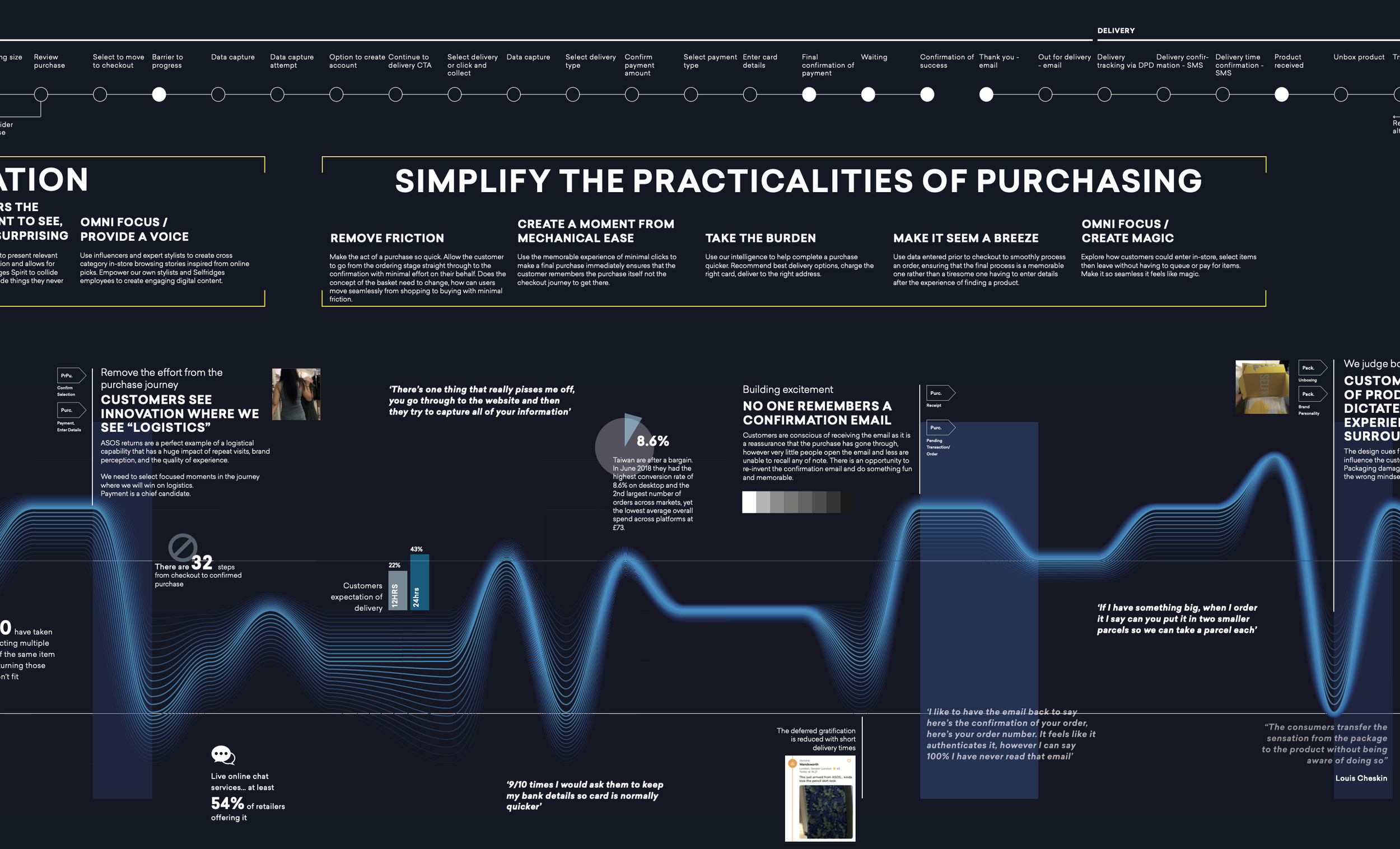
A detailed customer experience map allows businesses to see and improve the whole experience, close service gaps, and raise satisfaction.
Ongoing analysis and tracking of metrics such as conversion rates and satisfaction scores enable retailers to refine strategies over time. This steady focus builds stronger engagement, deeper loyalty, and a more satisfied customer base that supports long-term growth.
Improving Customer Interactions Across Channels
To improve customer interactions, retailers need to offer consistent and seamless experiences across every channel—whether in-store, online, or on social media. Customer experience maps give useful insight into pain points, helping businesses fix problems early and strengthen overall service.
These maps also show where touchpoints don’t connect well, so retailers can adjust weak areas and keep interactions smooth and positive. Personalised marketing messages and product suggestions play an important part in this, boosting engagement and conversions by linking directly to journey insights.
By studying these journeys closely, retailers can build strategies that improve satisfaction and retention, ensuring customers feel supported and valued at every stage.
Tailoring Experiences to Evolving Preferences
Today’s customers want personalised experiences that reflect their own needs and preferences. By understanding different customer groups, retailers can shape marketing messages and offers that appeal to each one. This targeted approach lifts engagement, loyalty, and conversion rates.
Customer experience mapping is a vital part of this process, helping retailers see and improve the experience at every stage. Regular analysis and updates keep the maps in line with changing customer needs, making touchpoints smoother and more meaningful.
Spotting service gaps through this view also allows retailers to improve their offer and build stronger relationships, ensuring they always keep pace with customer expectations.
More Insights
Read the top takeaways from our event as part of Leeds Digital Festival.
The complete guide on what they are and how to use them.