
Customer Experience Maps are a fundamental tool at AAWE. Here’s the complete guide on what they are and how to use them.
Overview
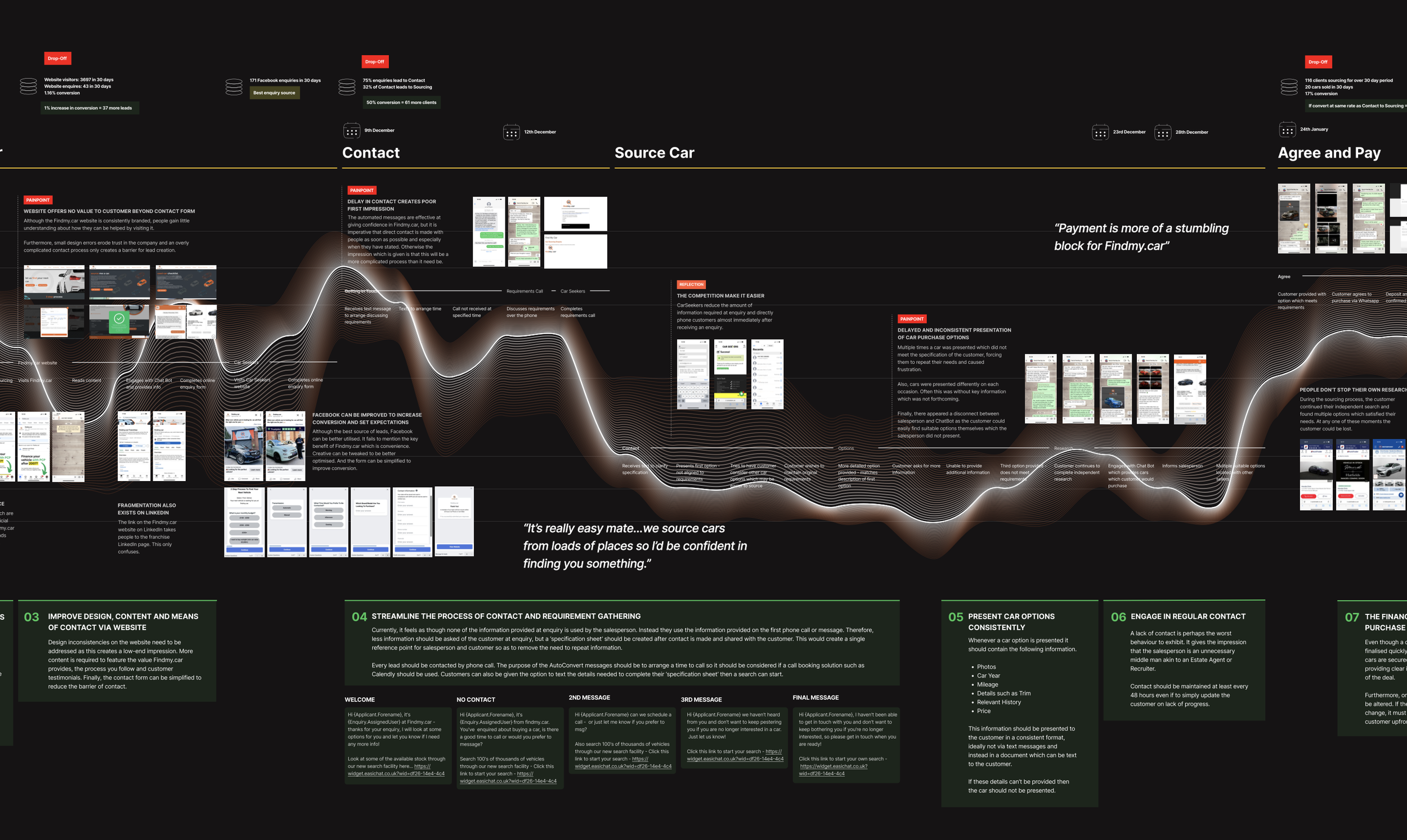
A business understanding their customers is essential when they want to develop and grow. Customer Experience (CX) mapping shows every step customers take and helps businesses see what matters most to them. By spotting and improving each touchpoint, companies can create smoother, more satisfying experiences. This builds loyalty and helps a brand stand out from its rivals.
Customer experience mapping goes beyond simple journey maps. It looks closely at how people feel, what drives them, and what they expect at each step.
Journey maps show the actions customers take, but Customer Experience Maps capture the small details, subtleties, and emotions that shape how the customer really feels. The full picture helps companies improve satisfaction. This keeps more customers coming back and strengthens their edge over their competitors.
Customer experience mapping can seem complex, but there are tried-and-tested strategies and best practices to make the most of its potential.
Understanding key elements - like creating detailed customer personas and identifying crucial touchpoints - is an important start. Practical steps like using templates and gathering real-world data help businesses get internal teams working together. When businesses understand the customer experience, they’re able to create better encounters for their customers.
Introduction to Customer Experience Mapping
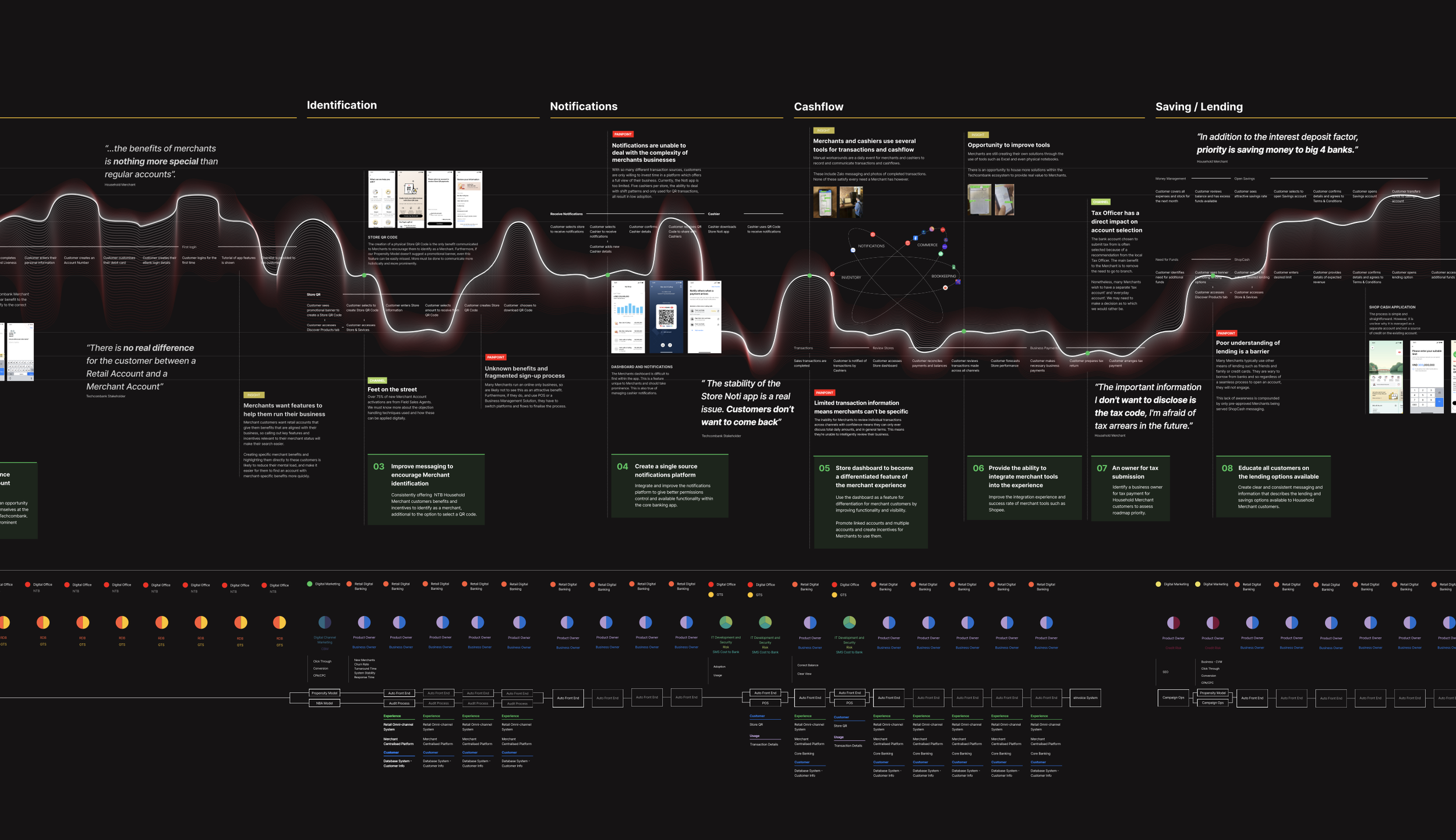
Customer Experience Mapping is a planning tool that gives a visual map of the whole customer journey. By analysing how people interact at different touchpoints, businesses get better insight into what customers expect, and how they behave. This full process highlights key touchpoints, pain points, and moments of truth, and clarifies each stage of the journey.
A customer experience map shows every step from first hearing about a brand to becoming a loyal fan. It helps companies improve ways of working, and make customers happier. By using it, brands spot areas and opportunities to improve. This creates smoother, more enjoyable experiences for new, and existing, customers.
Research shows that customer experience maps help teams design better products and services that fit what customers need. This close fit keeps customers coming back, builds loyalty and improves sales over time. Because it offers a full picture, customer experience mapping helps match business goals to customer expectations, leading to happier customers, and better experiences.
With fresh insights from tools like customer experience templates and customer interviews, businesses can create plans that fit both customer and buyer personas. These can help build customer loyalty and set the business up for long-term success.
Understanding Customer Experience Mapping
CX mapping is a clear way for businesses to visualise, and understand, the steps a customer takes when dealing with a product or brand. It helps an organisation spot pain points - the moments that cause problems - and find chances to fix them and so increase satisfaction. By laying out each interaction, teams can see customers’ needs, feelings, and behaviours. With that knowledge, they can design products and services that match what people both need and expect.
Experience mapping works as an ongoing loop - research, data collection, emotion analysis, and feedback. Using this cycle, businesses learn what slows people down or makes them drop off. It can remove friction from the journey. Over time, these small improvements add up, making the experience smoother, more consistent, and more satisfying for every customer.
What Is The Difference Between Customer Journey Maps and Customer Experience Maps?
While both Customer Journey Maps and Customer Experience Maps aim to improve how customers interact with a brand, they cover different things. A customer journey map is a clear diagram showing the stages a person goes through with a brand, service, or product. It lists touchpoints and actions. This focused view helps teams build empathy, and improve each step of the user experience.
In contrast, Experience Maps take a wider view. They show many ways someone might interact across touchpoints, instead of focusing on one product or single situation. They’re built to reflect common human experiences and behaviours in broad terms. Unlike Journey Maps, they aren’t tied to any brand, service, or task, so they act as a neutral guide.
Both tools share the same goal - to make the customer experience better. The benefits of customer journey maps are numerous and they zoom in on a specific path and give detailed insights into each step. Experience maps zoom out to show the bigger picture across many scenarios.
What Are The Benefits of Customer Experience Mapping?
Customer Experience Mapping is a useful planning tool that shows, and explains, the customer journey across many touchpoints. By spotting pain points, and chances to improve at each stage, it helps designers and teams build smooth, enjoyable experiences for customers. It also gives a clearer picture of how people use a brand, product, or service, which lifts satisfaction over time.
Insights from Customer Experience Mapping help businesses track and understand every interaction, at each stage, from first awareness to customer advocacy. These practical findings can improve many parts of the business. This includes sales, marketing, communication, and customer support campaigns. It can also help teams to make better decisions.
Customer Experience Maps also shape the customer service framework by improving staff training. They make communication plans clearer and guide better service design.
When companies use these insights well, they raise the quality of their service across teams, increase satisfaction, and long-term customer loyalty.
What Are The Key Components of Customer Experience Mapping?
Experience mapping is a planning tool that shows the customer journey, and the ways people meet a brand at touchpoints. This visual map gives deeper insight into customer needs and behaviour using tools like customer journey mapping, emotion analysis, and gap analysis. The process repeats in a loop: teams study what customers expect, and how they act. They spot places to improve, making the journey smoother.
With Customer Experience Mapping, businesses align operations to keep customers happy, and loyal, by fine-tuning processes over time. It relies on research, and careful data collection to find the moments that matter most. Those findings guide solution design, roll-out, testing, and improvement.
Creating Customer Personas
Creating customer personas is a key part of Customer Experience Mapping. Personas are made-up profiles that stand in for real customers. They show the inside and outside factors that shape how people make choices. To build them, businesses do market research, including surveys, interviews, and other first-hand feedback. This helps them understand how customers think, feel, and buy.
Each persona includes simple facts, but most importantly what their motivation and goals are. With clear buyer personas, teams can focus on specific Experience Maps, target the needs and pain points of each buyer type. By doing this, they can improve the user experience and align plans with wider business goals.
Identifying Customer Touchpoints
Identifying customer touchpoints is another key step in Experience Mapping. These are the moments when a customer connects with a brand. They include every time someone deals with the business. This may be through digital channels, like social media and email, or in-person contacts, like in-store visits.
Listing these touchpoints helps teams see the whole journey a customer takes. It gives clear insight into their behaviour and experiences. This understanding lets businesses improve their service by finding - and strengthening - the most important touchpoints.
By stepping into the customer’s shoes, they can spot their needs earlier. They can fix gaps in delivery and remove friction. The result is happier customers, better experiences, and stronger loyalty.
Integrating Customer Emotions
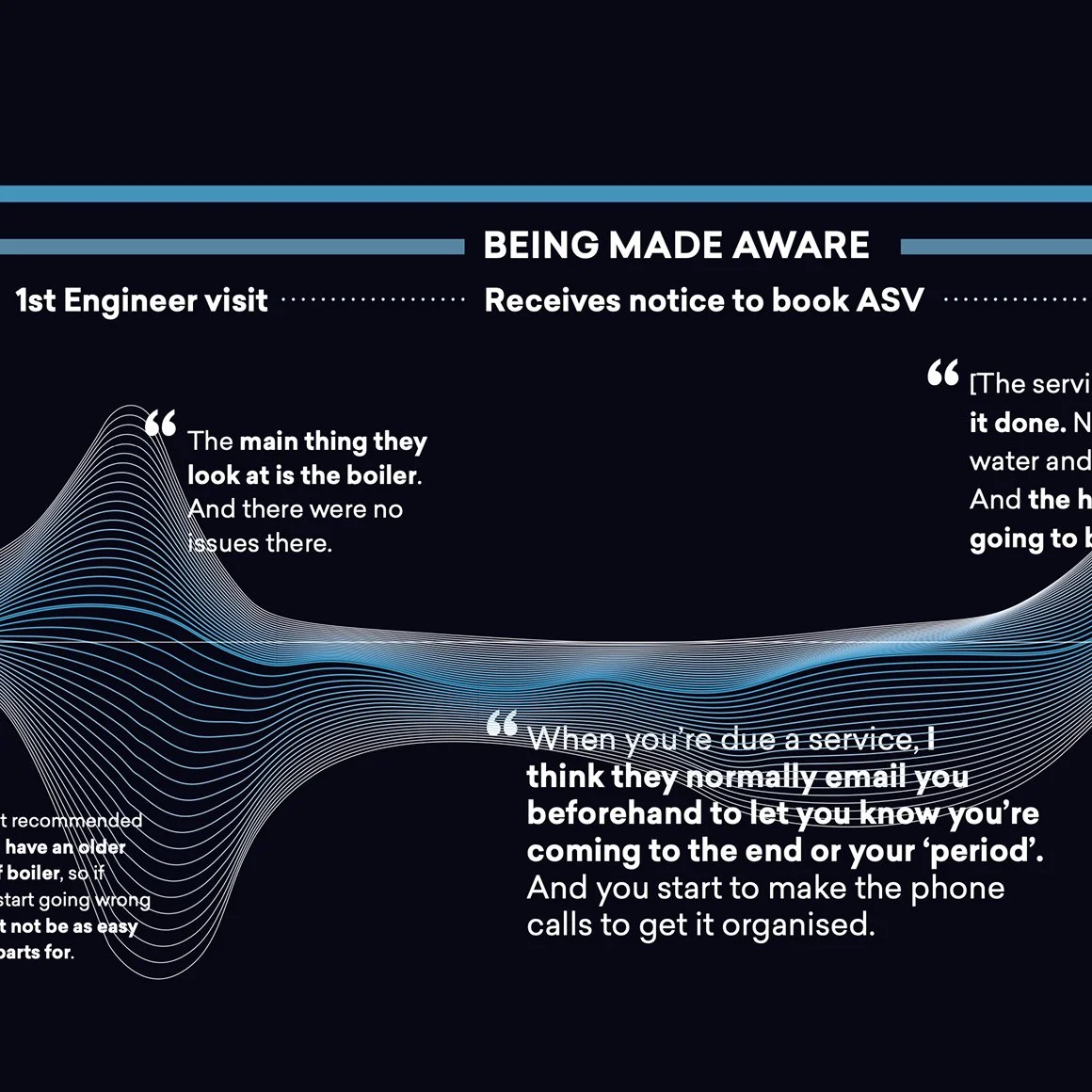
Emotions play a key role in shaping customer experiences, and they need to be part of the mapping process.
When businesses collect simple clues about how people feel at each stage of the journey, they build more trust, and customers feel seen, heard, and understood. Tools such as emoji-style faces, simple graphs, and short notes can capture these feelings, showing high points, or moments of frustration.
Measures like Frustration Scores help to spot friction, allowing teams to fix issues that harm the experience. Seeing feedback from surveys, reviews, and social media also reveals repeated emotional themes, and points to what should change. Understanding and acting on these insights keeps the journey smooth, engaging, and satisfying.
Practical Steps for Experience Mapping
Customer Experience Mapping is a planning process that helps businesses visualise the whole customer journey, from first contact to post-purchase support. By spotting pain points, and chances to improve at each touchpoint, companies can raise satisfaction and strengthen retention.
This works best as a careful, step-by-step approach that looks closely at how people use a product or service. Workshops, and cross-team brainstorming, add richer insight by bringing different views and experiences together. When these insights are put to work, they lead to better staff training, clearer communication plans, and stronger service design.
Using Templates
Templates also play a key role in Customer Experience Mapping. They set out all possible touchpoints in a clear, step-by-step way. Using templates, teams can split the experience into distinct stages, which improves clarity, planning, and focus.
A good template tells a simple visual story that shows what customers think and need. It lists each step of the engagement. This means every interaction and phase is recorded properly, so important customer needs aren’t missed.
By helping teams visualise customer feelings, tasks, and next actions, templates deepen understanding and make it easier to improve the customer experience.
Gathering Customer Data Through Surveys
Surveys, like Net Promoter Score (NPS), are useful for gathering customer feedback, and understanding their views and behaviour. They help build clear customer personas, which sit at the heart of strong Customer Experience Maps.
In a digital experience, placing short surveys, or feedback widgets, on key pages along the journey captures how users feel, and shows where things need to improve. Insights from these surveys highlight customer needs, preferences, and pain points, and they shape how products and services are delivered.
In the end, CX maps use survey data, and real-time data, to track the whole journey, and help businesses meet customer expectations more effectively.
Using Unsolicited Feedback
Unsolicited feedback is an excellent source for understanding the real thoughts and feelings customers have at different touchpoints in their journey. When this feedback is analysed alongside survey responses and operational data, businesses can clearly spot the main factors that shape the journey. Tools help with this work, making it easier to find important insights, and feelings.
Adding unsolicited feedback to experience mapping highlights points of friction, and helps teams design more personalised experiences across touchpoints. Using these honest insights lifts satisfaction by meeting needs that might be missed otherwise. It’s an effective way of improving the whole customer experience.
Bringing Together Cross-Functional Teams
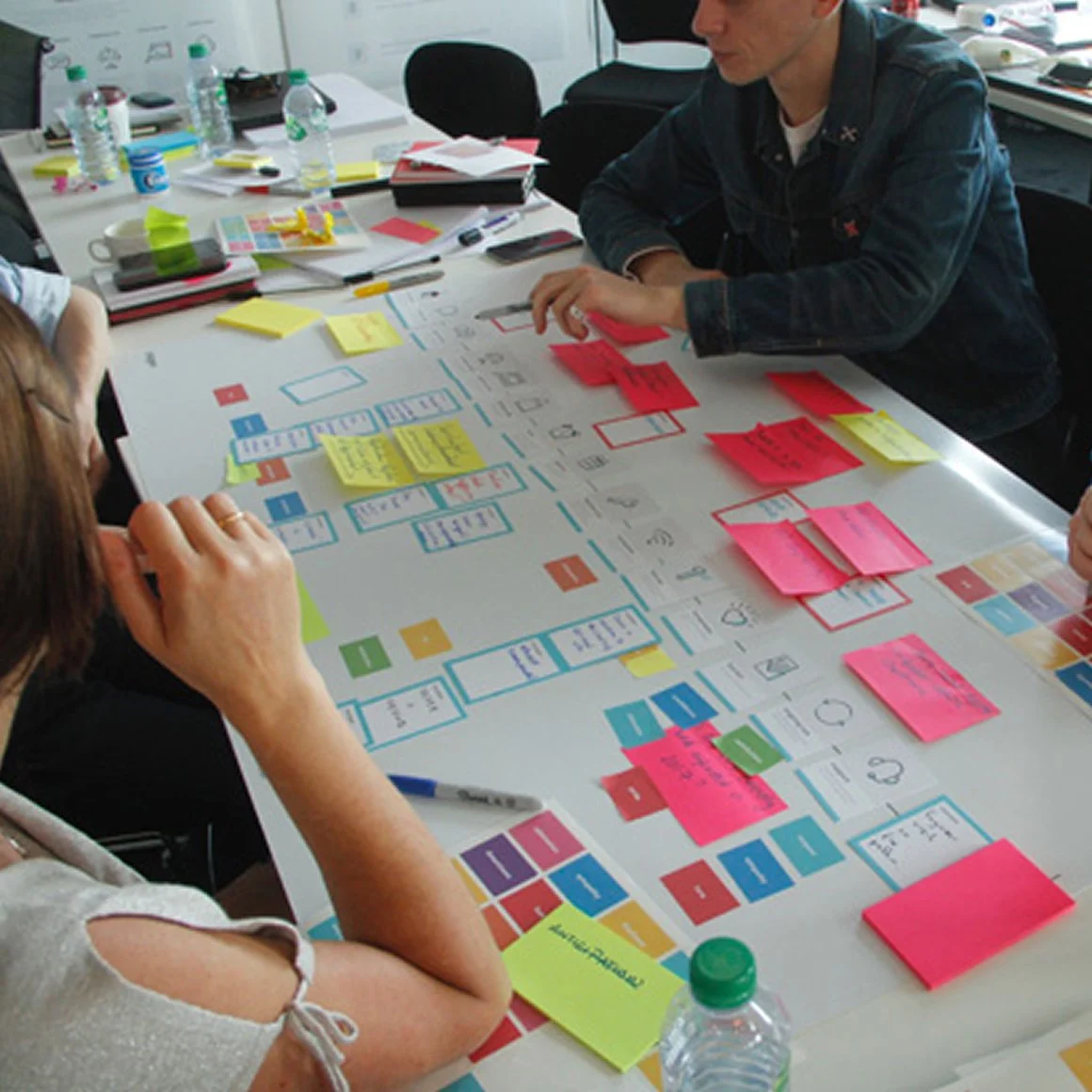
Customer experience mapping brings teams across the business together by giving everyone the same picture of the customer journey. When departments can see clear, detailed maps, they can work together to make the whole experience better.
The maps point out the areas that need attention, so teams can make informed choices that match the company’s goals.
It also makes roles and priorities clearer, so people waste less time. Leaders can track progress, and spot gaps sooner. This shared focus stops projects from drifting in scope, and keeps effort aimed at real improvements, whether that means refining the buying experience, or launching new products.
When insights from mapping are shared widely, every department can personalise interactions at each touchpoint, and deliver service that matches customer expectations.
Ensuring Consistent Experiences Across Channels
Delivering the same level of service across every channel can be a challenge. It’s a mark of quality shown by top brands like Apple and John Lewis. When people deal with a brand, they expect the same tone, clear messaging, and steady service from first contact to purchase, whether they’re online, on the phone, or in a shop.
Customer experience mapping helps by setting out each touchpoint, so teams can plan a smooth experience across the whole customer lifecycle. By mapping the current customer experience, businesses get near real-time insight into how things work today, making it easier to spot patterns, and pick up gaps or mixed messages.
Taking this proactive approach keeps customer interactions in line with the organisation’s goals, and helps customers see one, consistent brand wherever they meet it. That consistency lifts satisfaction, builds trust, and supports long-term loyalty.
Using Data for Continuous Improvement
In customer experience, using data to improve all the time is vital. It starts with careful experience mapping that brings research, and data, together to give deeper insight into the journey. By spotting key touchpoints, and tracking interactions from the initial awareness stage to advocacy, businesses build a clear picture of customer behaviour and expectations.
Adding emotion analysis, and gap analysis, to the map helps teams fine-tune plans for steady improvement. This means running feedback loops, and testing changes often.
This allows the business to check that updates truly lift satisfaction, and loyalty. In the end, using data supports more personalised experiences that meet customer needs, and help the business reach its goals.
Importance of Solicited Data
Solicited data means feedback customers give when a business asks for it. This can be through surveys, polls, or social media questions. It’s valuable because it shows, in a customer’s own words, what they think and feel, instead of the business guessing. To be useful, this feedback needs to be collected at the right moments in the journey, so it reflects what people are experiencing at that time.
Different stages - first contact, key moments of truth, and after purchase - bring out different comments, so timing matters. There are challenges, such as choosing the best point to ask, and not interrupting the experience.
Used well, solicited data improves the accuracy of customer experience and journey management by bringing real customer views into planning, prioritising, and everyday decisions.
What Is The Role of Unsolicited Data?
Unsolicited data helps teams understand real customer feelings in more detail. It plays a vital role in enriching customer experience strategies by offering a deeper understanding of the customers’ sentiment. Open-text feedback can uncover hidden reasons for satisfaction or disappointment that structured forms might miss.
When this data is linked to customer journey touchpoints, businesses can strengthen their experience management programmes. Putting unsolicited feedback alongside touchpoint analysis changes how journeys are managed, and makes the picture clearer.
Customer experience mapping tools can work out sentiment automatically from unsolicited feedback. They help decode the key emotional triggers in customer, and employee, comments. Businesses can use these insights to make changes that resonate with their audiences.
Seen next to touchpoint analysis, this data reveals new chances to engage, and deepens understanding of pain points and drivers. This more detailed view helps business to be more agile and responsive, as customer expectations and behaviour keep shifting.
Best Practices for Effective Experience Mapping
Customer experience mapping is a clear way for businesses to see, and understand, the whole journey across many touchpoints with a brand or product. The map shows pain points, and chances to improve, so teams can create smooth experiences that match what customers expect.
The process brings together multiple steps: research, data collection, emotion analysis, gap analysis, solution design, testing, and feedback. Once collected and tested, a fuller picture appears.
The cycle repeats, and it marks every key moment from first contact to post-purchase advocacy. Using these insights, businesses can shape their marketing, sales, and support to fit customers’ needs and feelings. In doing so, they turn problems into opportunities, build loyalty, and raise satisfaction.
Fostering Collaboration Among Teams
Customer experience mapping brings teams together across the organisation by showing the customer experience in a clear and detailed way. The picture helps different teams spot shared problem areas, and agree fixes.
When many teams take part in experience mapping, the business gets a joined-up approach to improving every interaction. This teamwork keeps each department - product, sales and marketing, and support - on the same page about customer needs, feelings, and behaviours.
Working across functions during experience mapping also makes it easier to roll out customer-centred solutions smoothly on every channel. By setting priorities together, teams can use these insights to design more personal, efficient experiences, lifting customer satisfaction.
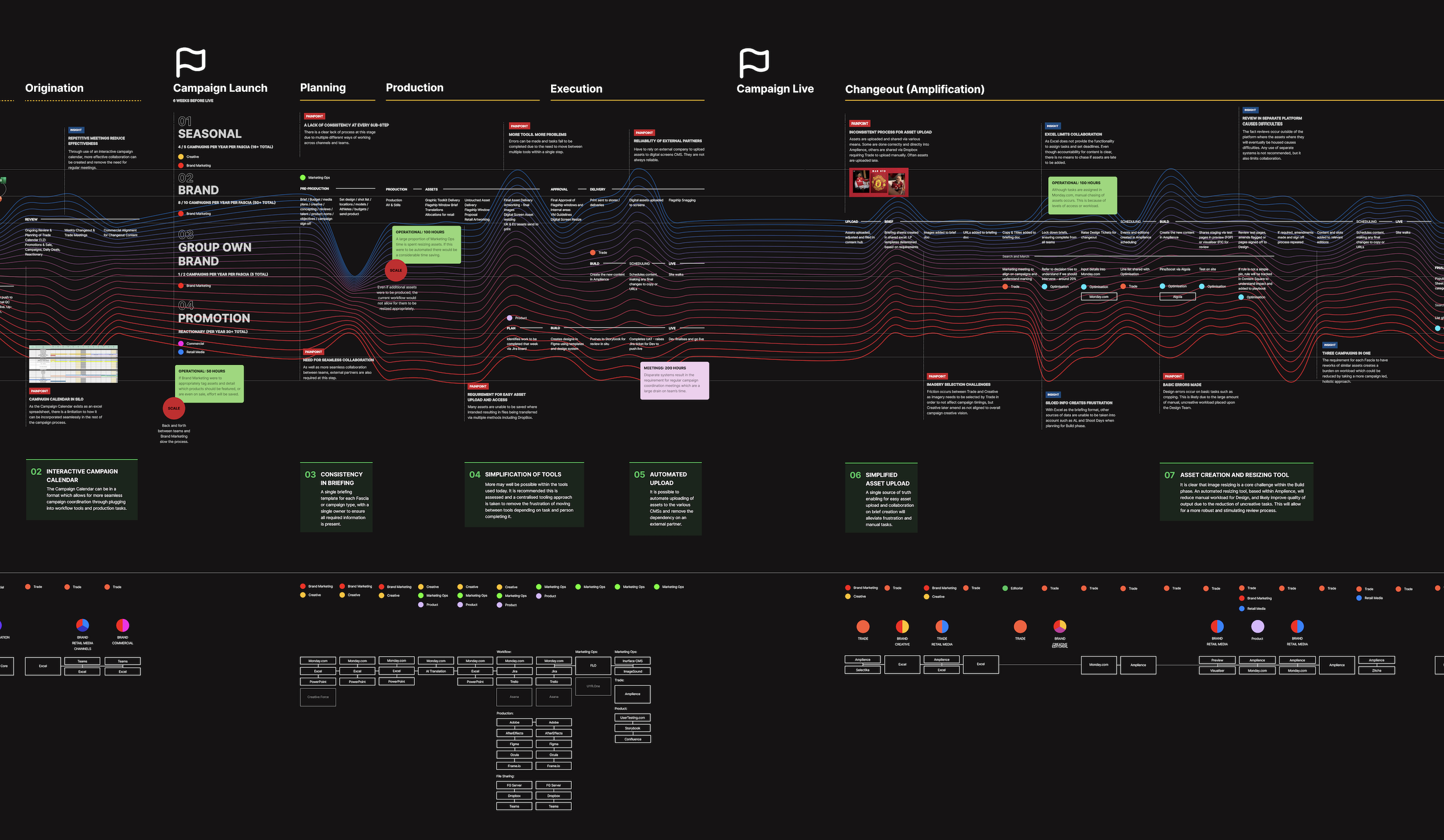
Regularly Fine-tuning Maps
Regularly reviewing and updating customer journey maps is key to staying in tune with changing customer needs and behaviour.
When interactions or preferences shift, a fresh look at the experience map helps organisations spot problems quickly. They can then fix them and improve the overall experience. Regular updates also improve personalisation, so support and experiences fit the different needs of each customer group.
Real-time clues from surveys, reviews, and marketing data add the detail teams need to update experience maps accurately. By keeping them up to date, organisations give everyone a shared picture of what 'good' looks like. This keeps teams aligned, and helps the customer experience improve as the business grows and changes.
Seeking Automation Opportunities
Automating parts of customer experience mapping can make marketing faster. It can also help deliver a personalised, joined-up experience across all channels
Marketing automation software helps teams build custom experiences, and run routine actions automatically. That keeps the experience steady across websites, apps, emails, and in-store touchpoints.
Many platforms include smart tools that surface patterns and risks, including AI-based ‘Frustration Scores’ to spot friction quickly. Teams can then fix problems sooner, and test better paths.
When these insights feed into well-researched maps, customer experiences improve, and business goals move forward. Combining automation with customer experience mapping lifts personalisation, so each interaction feels more relevant, and more impactful.
Enhancing Customer Loyalty and Competitive Edge
Boosting customer loyalty and staying ahead of competitors are key to long-term success.
Customer experience mapping helps make this happen. By staying close to customer needs, businesses can strengthen loyalty, and gain a competitive edge, using clear customer maps.
Benefits of Customer Experience Mapping:
Align with Consumer Demands: Startups and SMEs can use customer experience mapping to match with consumer expectations more closely. This helps them remove roadblocks and gain an edge over their competitors.
Brand Loyalty: A clear, accurate customer experience map builds brand loyalty with incentives, better customer support, and smart digital marketing.
Adapt to Buyer Behaviors: Understanding, and improving, the customer experience helps businesses adapt quickly as buyer behaviour develops and evolves over time.
By using customer feedback, and keeping customer experience maps updated in real time, businesses deliver a steady, positive experience. It’s a tool and process that’s vital for creating and keeping loyal customers.
Understanding the whole customer experience helps teams meet, and often exceed, expectations. It’s why customer experience maps are an essential tool for any forward-thinking organisation that’s looking to develop and grow.
More Insights
Let’s talk about CX: Event Recap
Read the top takeaways from our event as part of Leeds Digital Festival.
Put the client first and watch business grow
As featured in the Yorkshire Post, read how to use Customer Experience to create growth.